





My colleagues are on strike - what do I do?
If the wage negotiations are broken off and your colleagues go on strike: What happens then, how should you as a non-striker behave? And what if you yourself are laid off as a result of a strike? Here are some answers.
If your colleagues are on strike, you work as usual. But there are some things that are useful to be aware of.
In the same way that NITO expects other organizations to show respect for conflicts we are involved in, our members must show respect for any ongoing strike that concerns other parties.
NITO therefore asks those affected not to carry out work that can be understood as strikebreaking. Below is an explanation of how to avoid it.
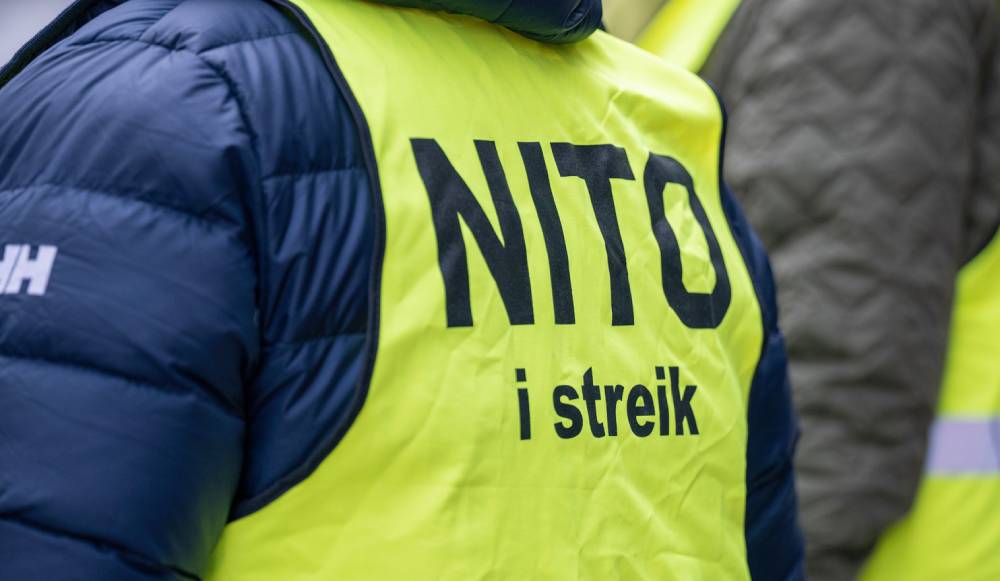
What to do
- You have the duty and the right to carry out your normal work.
- Employees who are not on strike must only perform the tasks that normally belong to the position. In other words, you must not perform tasks assigned to an employee who is on strike.
- Work schedules must be followed. Changes to work schedules can only be implemented if no strikers are included in the plan.
- You should not work overtime because others are on strike, or perform more tasks than you do in normal operations. It may be natural to do this in connection with illness or other ordinary absence at your workplace, but not during a strike.
- It is only the top manager of the business and the top manager of the human resources function who can carry out the strikers' tasks.
- Proxy service for managers (or others with special tasks) who have been taken out on strike shall not be performed.
- If you are unsure whether issues that may arise are to be regarded as strikebreaking – contact NITO's secretariat.
Layoffs in connection with a strike – apply for unemployment benefits
When other organisations go on strike, NITO's members may be at risk of being laid off. In the central government, however, layoffs are not used, and it is also rare for layoffs to be used in the municipal sector.
If you are laid off, it is important that you immediately register with NAV and apply for unemployment benefits.
The employer will not be obliged to pay wages during the first part of the layoff, when the layoff is due to a strike in the company.
Refusal of unemployment benefits due to the strike
If NITO's members receive a rejection from NAV of their application for unemployment benefits in a situation where you are directly affected by the result of a strike, NITO will provide financial support as if you had been taken out on strike. This normally involves coverage of net salary without variable supplements.
Those who are granted unemployment benefits from NAV can apply to NITO for additional support so that they also have their total net salary covered without variable supplements.
Contact NITO's secretariat immediately if NAV states that you will not be entitled to unemployment benefits.
All topic pages on pay and working life (A-Z)
See also: Tariff news for each tariff area