





Was robbed of benefits in the employment contract
Jørn Arild Pettersen was deprived of coverage of broadband at his home address when the municipalities in Eastern Norway were to be merged. A five-year struggle to get back what he was entitled to was underway.
The salary offer Jørn Arild received when he was offered a job as a project manager for the water and sewerage department in the municipality was not as good as he had imagined. But he negotiated five extra days off a year and coverage of broadband to his home address. It was that little extra that made him accept the job and sign the employment contract.
Municipal merger created problems
Seven years passed without any problems, until a municipal merger in 2020, when five municipalities in Eastern Norway were to become one. At the same time as the new organisation was to take place, Jørn Arild was told that he would no longer be able to cover broadband.
"It was a difficult message to receive. I think it was very unfair and that they treated me badly. Employers cannot simply remove benefits that have been negotiated in an employment contract like that without further ado, says Jørn Arild.
The rules are clear: When an employer enters into an agreement with an employee, it is binding on both parties. The employer has management rights, but if a financial good has been agreed, the employer cannot simply ignore this.

Jørn Arild contacted HR to sort this out in an orderly manner. But the answer he got back was that he was not allowed to communicate directly with HR. All communication had to go through the immediate manager, an intermediary that made the process extra time-consuming.
There were no more reports from HR and no other reason why they had introduced a different solution in the new municipality. The municipality did as they had said and stopped paying for the broadband in February 2022.
They did not relate to what was agreed in writing in Jørn Arild's employment contract. The municipality thundered on as they wanted.
Jørn Arild did not want to give up, and took the initiative for a meeting with HR, the municipal director and the head of section. He stood alone against the three on the opposite side of the table, to get back what he was entitled to.
"It was not a pleasant meeting at all. There was no progress and there was no result. They stood their ground and we strongly disagreed," says Jørn Arild.
Did the municipality deliberately drag out the case in time?
Jørn Arild contacted NITO for advice and support in the process. NITO's lawyer Marianne Kjellsen received the case. She reacted to the fact that the municipality did not want to enter into a dialogue with the employee to solve this as quickly as possible.
NITO submitted a complaint to the Conciliation Board. A meeting was set up, but there was illness in the Conciliation Board and the case was postponed.
The case was still at a complete standstill.
In order to speed things up, NITO took the case to the District Court. It was not until one year later that a court mediation was set up between Jørn Arild and the municipality. HR believed that Jørn Arild had to take his own time off in order to spend time on this.
"It felt completely wrong. The municipality would not cover the time and expenses I had in connection with this personnel case, says Jørn Arild resignedly.
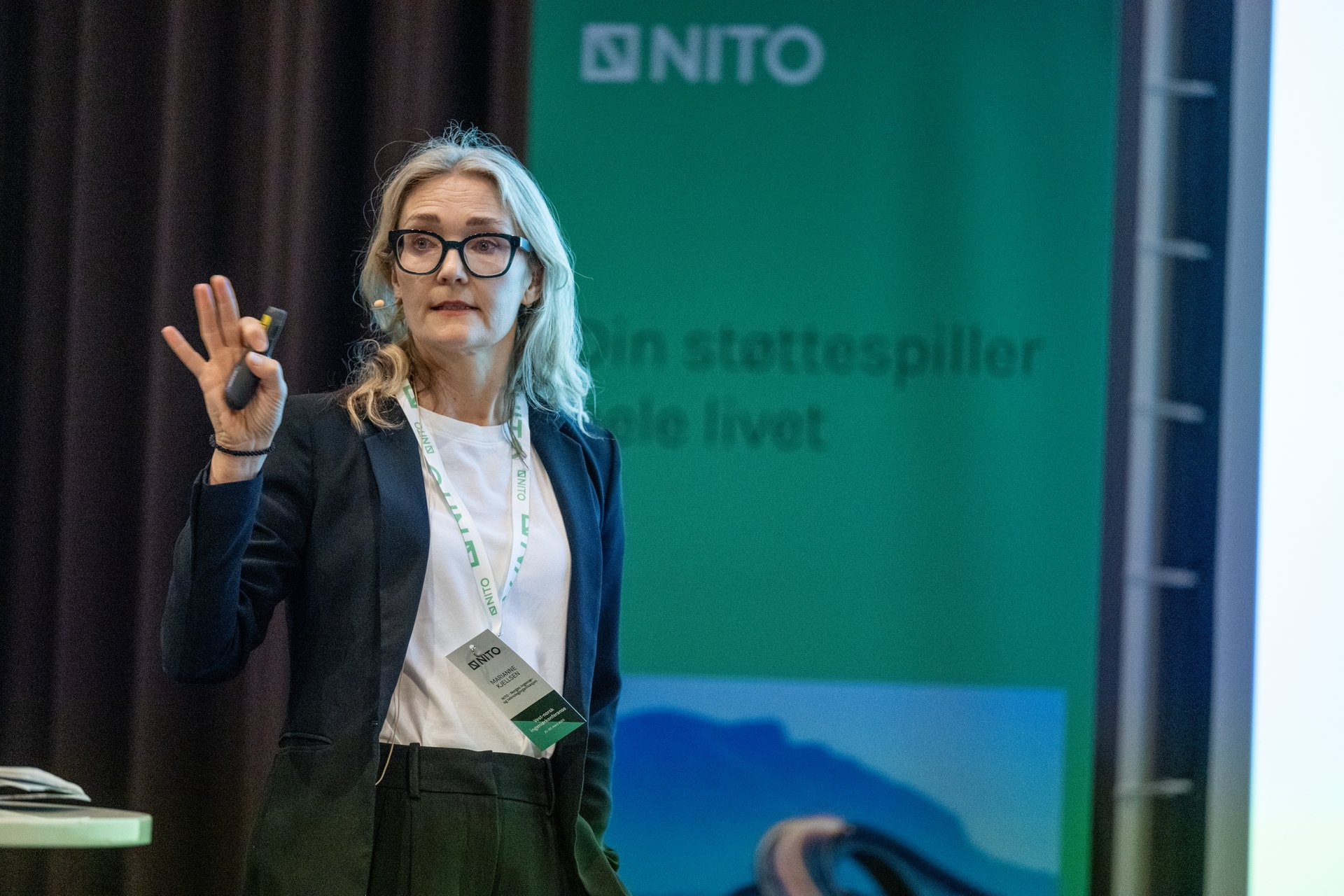
"It is quite unusual that an employer refuses to fulfil financial obligations that are written in black and white in the employment contract. And then in addition, the employee has to deduct hours, when he has to spend time defending the agreed financial rights, comments NITO's lawyer.
In the court mediation, the municipality showed little will to solve the case and the next step was a court case.
On the same day that the case was to be heard in the District Court, Jørn Arild was told that the case had to be postponed due to illness of the municipality's representative.
"It was a lengthy process. I got the feeling that the municipality would drag out the case in time, so that I would give up. But I didn't want to," says Jørn Arild.
Turning point
A new court hearing was scheduled and it took another six months before there would be any movement in the case.
A month before the postponed trial was due to take place before the District Court, the municipality received legal assistance in the case, and the municipality proposed an amicable solution to the case.
The outcome was that Jørn Arild would receive financial compensation for broadband and repayment of what the municipality owed since they stopped payment in February 2022. He also received compensation for the time off he had to take to appear in court mediation, and a small amount of compensation, which indicates an admission of error.
"It's not a lot of money, but that's the principle. This has been part of my salary throughout the years," says Jørn Arild.
He is glad they reached an agreement in the end. At the same time, he thinks it is sad that he has had to spend so much time and resources in the fight to keep his negotiated and written down economic rights.
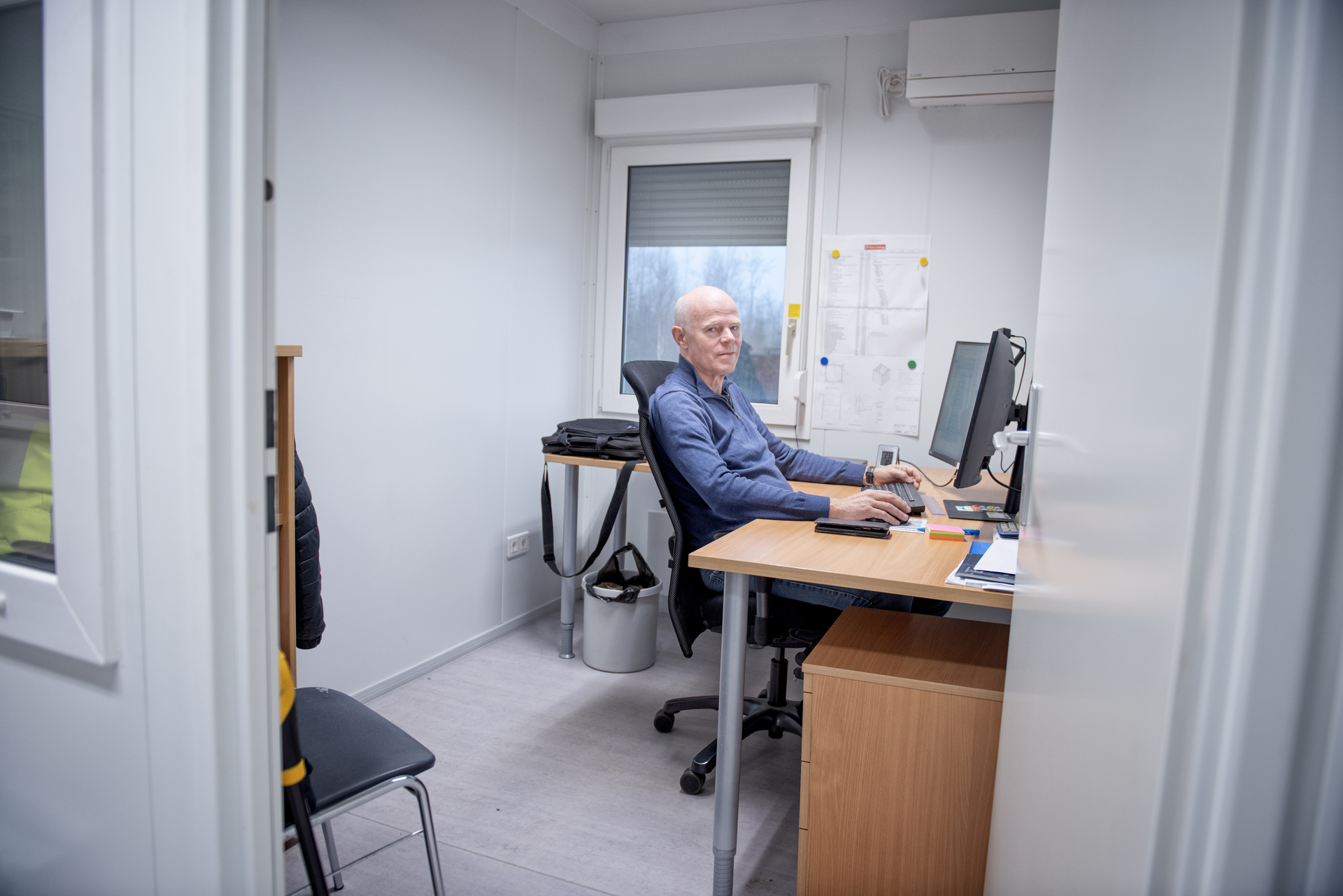
"It has been uncomfortable to stand in, but it has been necessary to take this fight. It is tragic how the municipality has handled this. I try to do a good job for the municipality and the 50,000 people who live here, but this has taken away the focus.
NITO's lawyer agrees that this has been an unnecessary use of time.
"The employee took the initiative early on and suggested that the municipality could give him a salary increase of the same amount as he had agreed to be covered in broadband. This was rejected by the municipality. Five years later, with a lot of frustration and use of resources on both sides, this is what became the solution. These resources should rather have been used to build the new municipality.
Now Jørn Arild can finally put the case behind him, look ahead and concentrate fully on the tasks of everyday work. He emphasizes that he has a good relationship with colleagues and managers, and that he enjoys his job.
"It has been good to have NITO's back. You feel very alone in such a situation and it is not always good to know what is a good thing to do. I am very pleased with the support I have received from NITO, who have really stepped up.
"I hope it can also be of help to other NITO members who are in similar situations, and if there are benefits that have been agreed with the employer, this must be in writing," he concludes.
NITO lawyer's advice:
The employment contract forms the basis for what the employee and employer can expect from each other in the employment relationship. It is therefore a good idea to write down everything that is important to you in the agreement. If this is difficult to achieve, write an email after the agreement and ask if you understand correctly that you agree on this and that.
The employer can make small changes by virtue of the managerial prerogative, but if financial benefits such as paid broadband have been agreed, it is never within the managerial prerogative to cease fulfilling such.
Then the employer may have to terminate the agreement, but then a factual basis is required and it is not certain that they have. If the employer should have a factual basis, the agreement with the financial benefit is terminated and then you are offered an agreement without the financial benefit.