


Get paid while you wait for the storm to hit
They received NOK 1400 each in anticipation of the extreme weather Amy, regardless of whether they were called out or not. Now employees in Porsgrunn municipality have an agreement that inspires others.
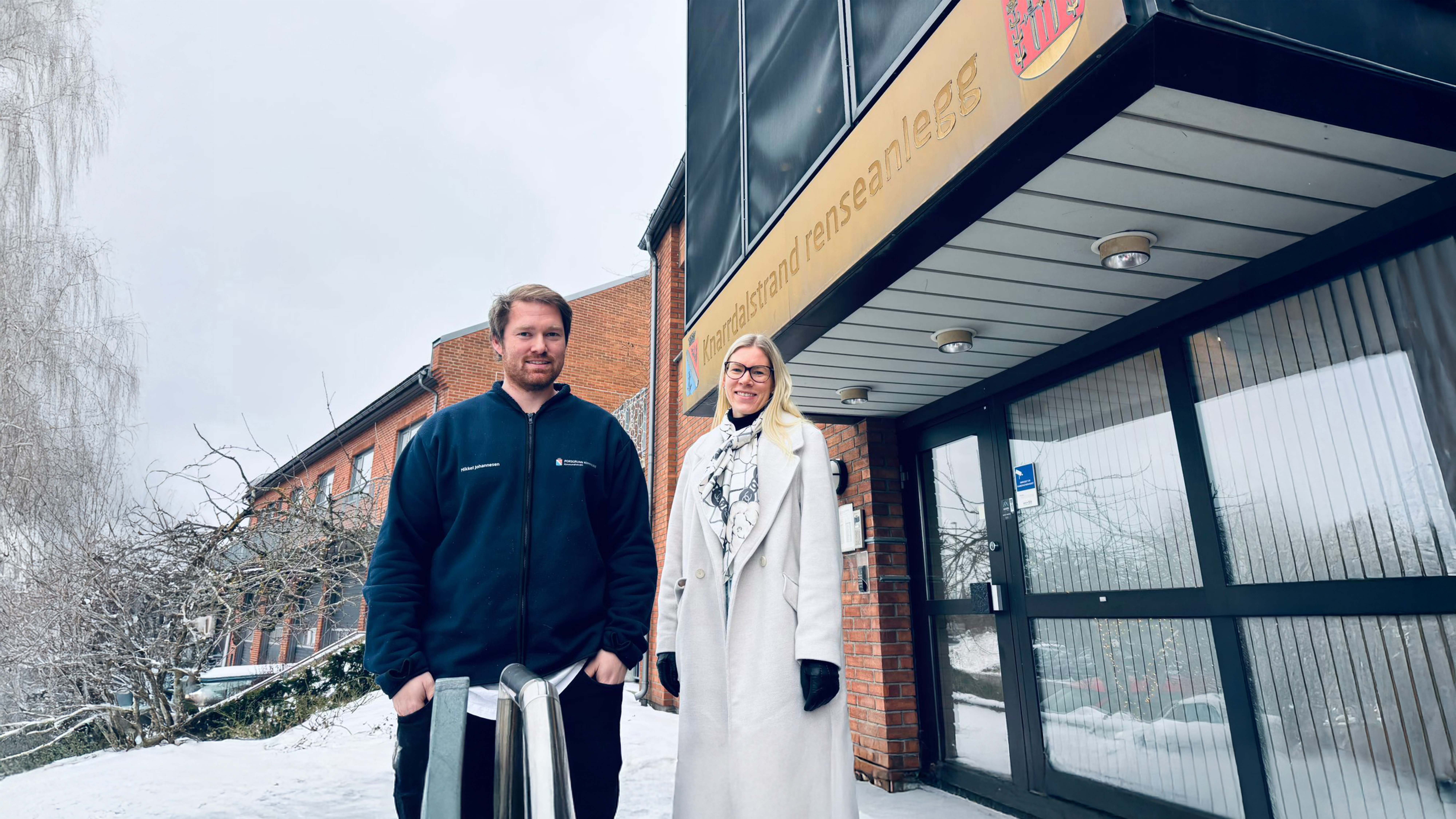
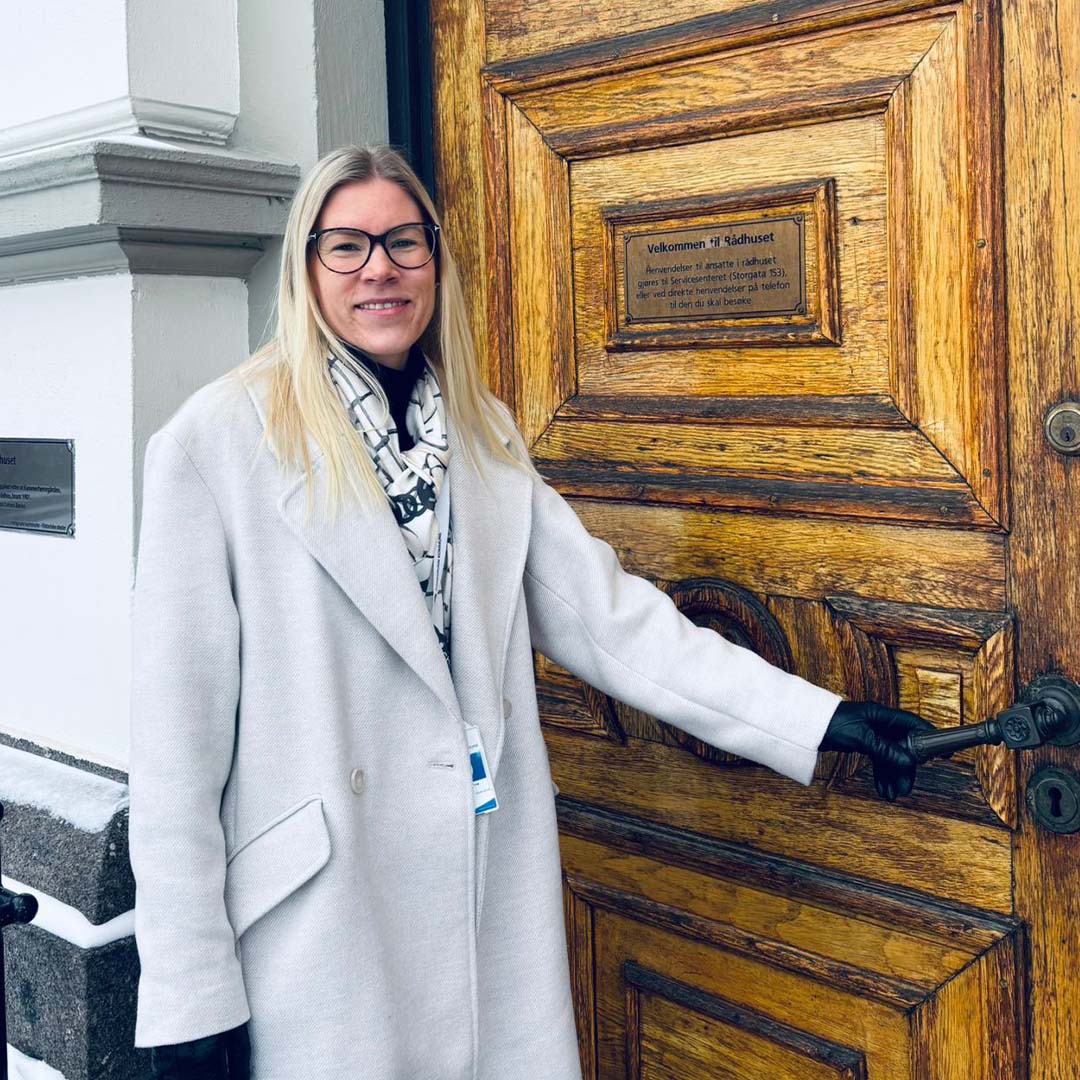
- We assumed that the storm would hit us hard, large parts of the staff were put on alert. We got ready to move out to repair the damage, explains Kathrine Kværne.
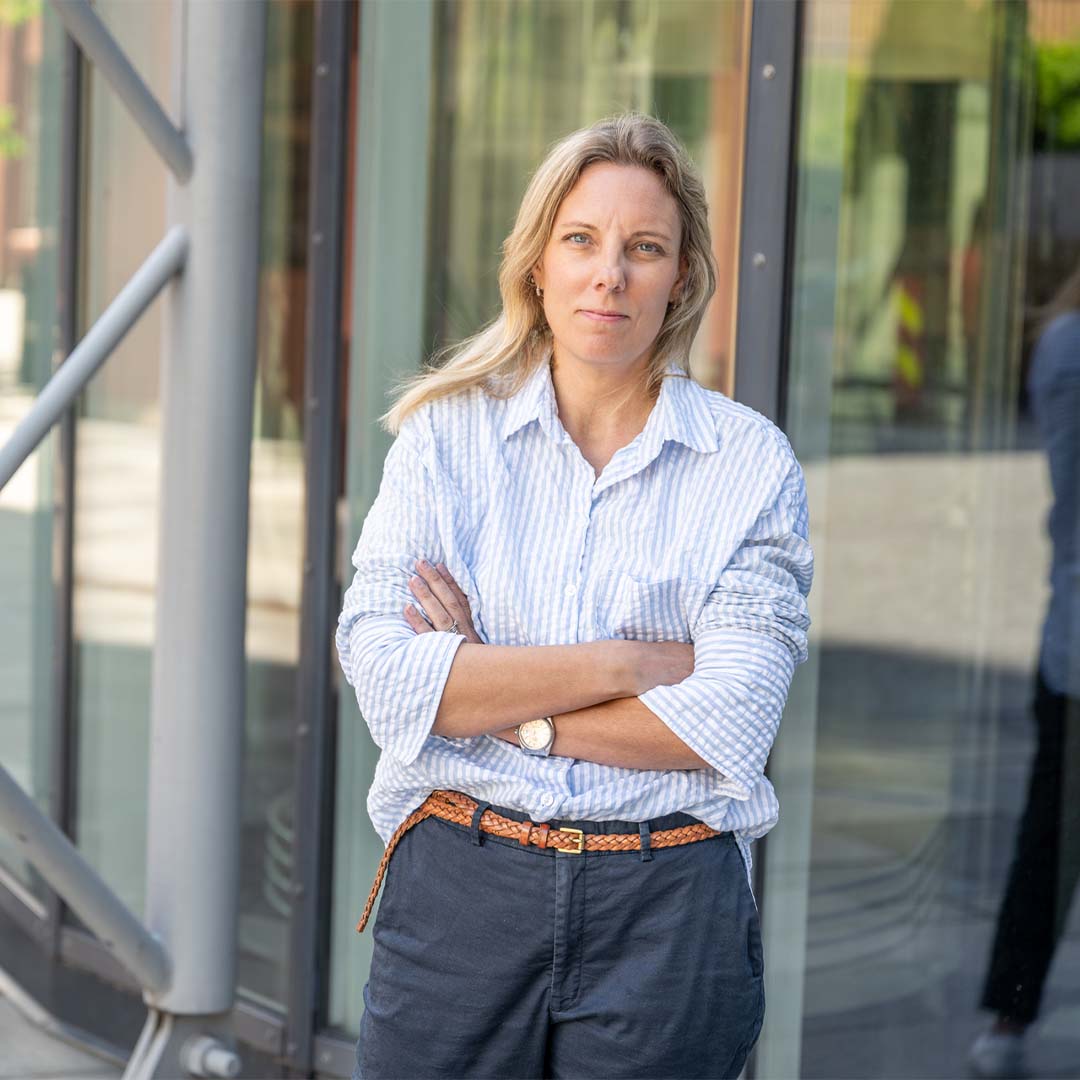
She is a NITO union representative in Porsgrunn municipality, where she works in environmental health protection on a daily basis.
Amy was a so-called extratropical cyclone that hit northern and western Europe in October 2025.
According to the Norwegian Natural Damage Pool, Amy led to material damage in Norway for just under NOK 2 billion. More than 15,000 damages were registered to buildings, contents, infrastructure and forests.
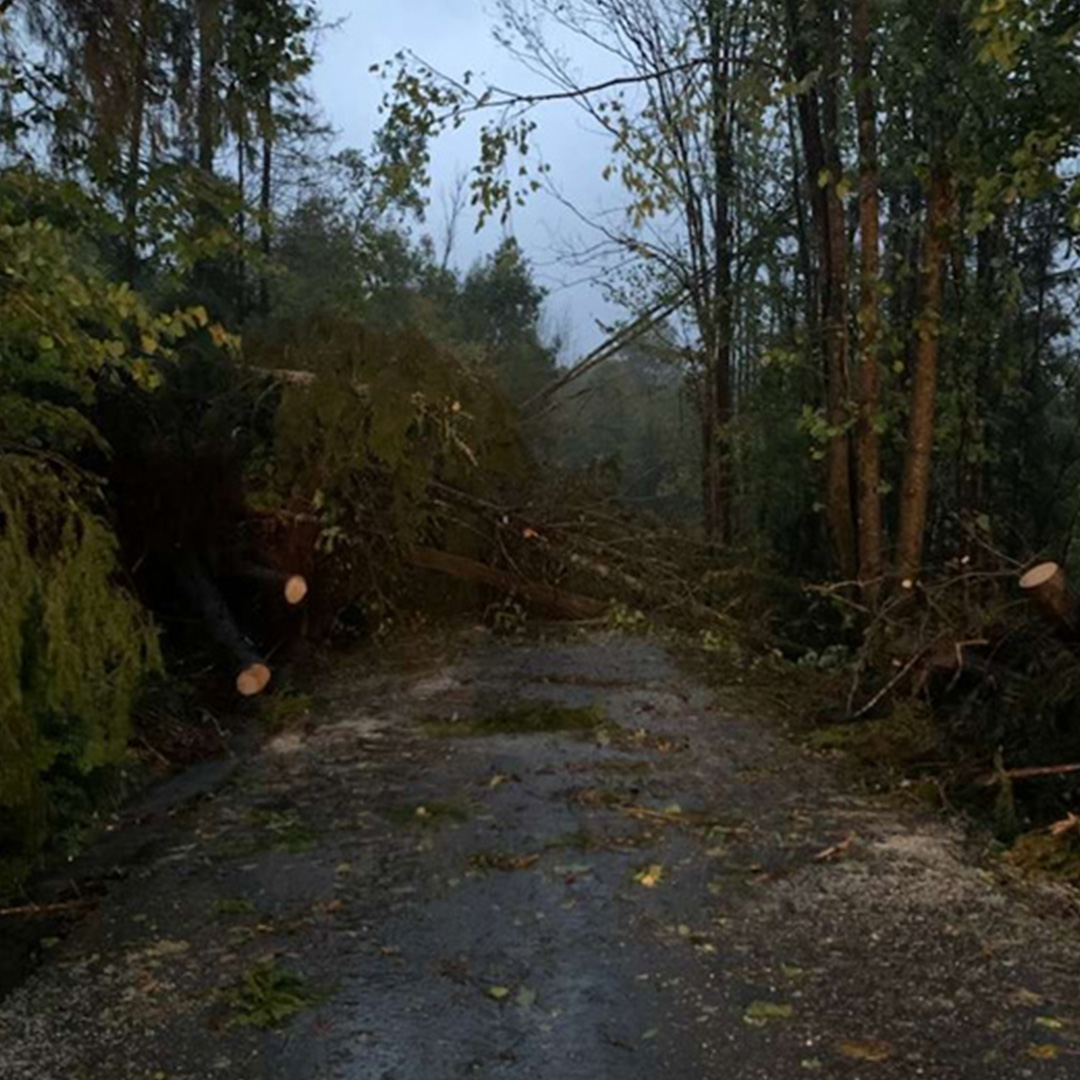
Before Amy hit Norway, the employees in building and municipal engineering in Porsgrunn municipality were put on standby:
- You have to be sober
- Within half an hour's driving distance
- Arrange a babysitter
You had to be ready to move out to clear roads, streams and secure residents.
It turned out that help and repairs were really necessary. Reports of damage poured in from the residents.
Are we not getting paid?
- Why should we have a strict duty of preparedness – without being paid to wait?
- And do everyone get paid, or only those who actually have to physically get out?
A NITO member in Porsgrunn had some thoughts and asked these questions. The practice had been that they were only paid if they were actually called out.
A great effort from NITO's business group in Porsgrunn, with union representative Kathrine Kværne at the forefront, has now given the municipality an agreement that provides salaries for all employees who are put on standby.
- It is good that we have now secured an agreement that is more precise than the one we had before, says Kværne.
She emphasizes that the agreement stipulates that employees must be paid according to an emergency key (including one hour paid per five hours), but in the event of unforeseen circumstances, the employees will be paid per day. It also specifies that this does not apply to regular overtime work, for example when landslides have occurred and people have to move out without warning.
- For the storm "Amy", each employee who was on standby was given around NOK 1400, says Kværne.
This is the core of the agreement:
- Employees are paid for the time they are available before storms hit
- The scheme applies to everyone in municipal engineering and construction/property management who is put on standby
- The agreement specifies both when it applies – and when it does not apply
- Payment of extra salary applies to everyone who is put on standby, not just those who actually have to go out to work
- Those who actually had to move out in connection with the storm received ordinary payment and overtime pay for the work they performed, says Kværne.
This is a win-win for all parties
Mikkel Johannesen is a NITO member and project manager in municipal engineering in Porsgrunn municipality.
- I am pleased that the NITO group took the lead and managed to establish an arrangement with payment for all employees. It is good that for Amy, everyone received a one-day emergency payment, even those who were not sent out, he says.
Johannesen believes the agreement is good for both employer and employees.
Managers know what to expect, the employees know what they are entitled to, and the municipality strengthens its preparedness. It provides more security for the citizens! It's a win-win-win!
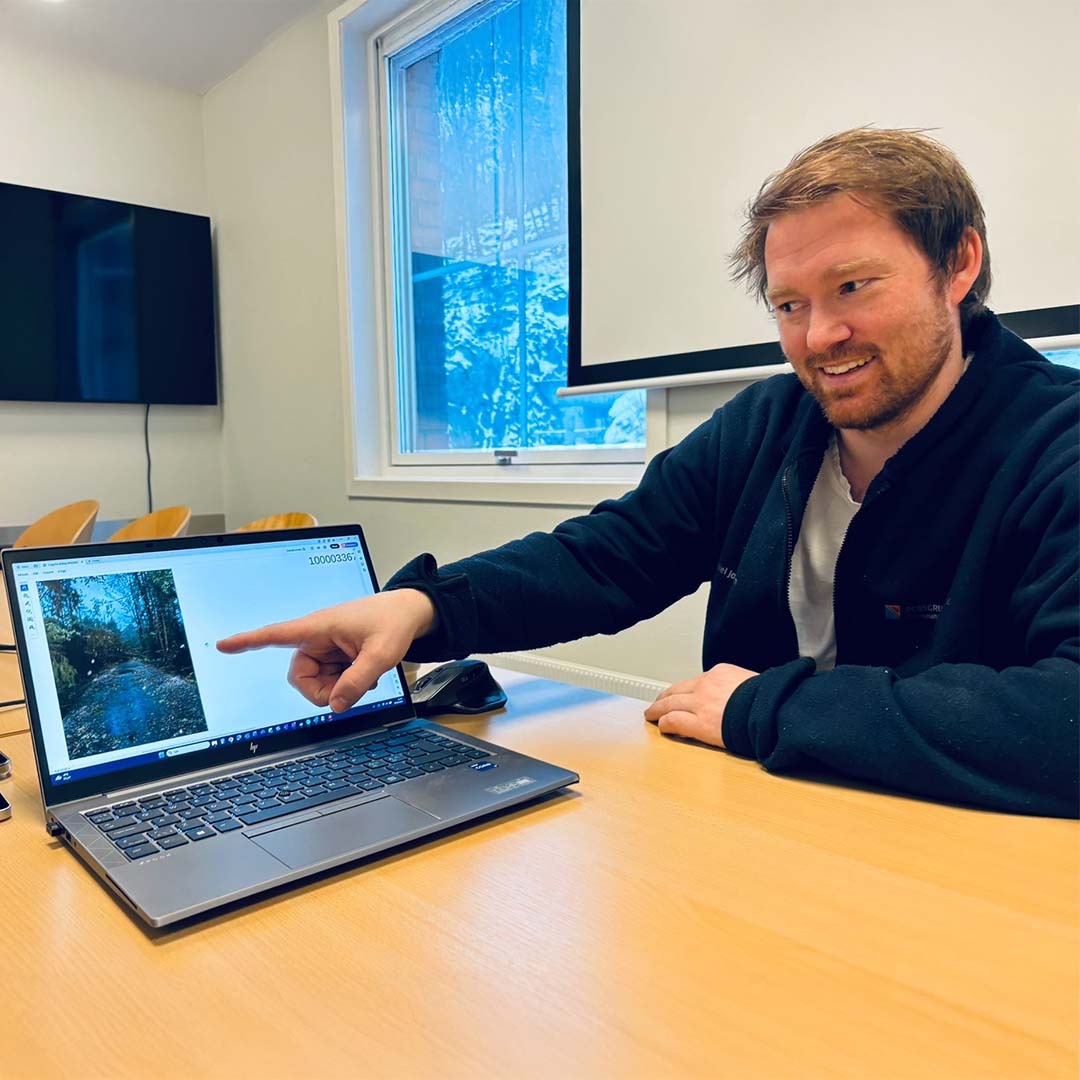
- When Amy was at its worst, about half of the employees had to go out to hard work when trees collapsed, roads were blocked and parts of Bergsbygda were isolated. There was major damage that had to be repaired.
Mikkel Johannesen
Got advice from NITO
As part of the process, Kværne discussed the case with one of NITO's lawyers.
- When the employer requires employees to be available and at the same time limits their free time, this time must either be counted as working time according to the law's conversion rules or be agreed to be compensated, says Anette Håvelsrud Wevle, lawyer at NITO.
She praises the NITO members in Porsgrunn who are concerned about issues like this.
"It is positive that management and the employees have come to a clear and predictable solution for emergency preparedness in such situations. The efforts of NITO's union representatives have been crucial in ensuring an orderly and practically manageable arrangement," says Wevle.
With the legal support behind NITO, Kværne contacted the municipal technical operations manager, HR manager and municipal manager.
The result was thus first payment for the "Amy" weekend. Then came the most important thing: A separate agreement that regulates preparedness in the event of unforeseen events in the future.
This makes emergency preparedness better
Kværne encourages other engineers and technologists to reach a similar agreement:
- Fix it in peacetime, before the next "Amy" hits. The climate of the future will bring more extreme weather. More storms, more floods, more incidents are expected where all available crew must be ready.
Therefore, she believes that all municipalities and businesses should put in place similar agreements, before the next storm is announced.
The NITO lawyer finally comments:
- For the employer, this is about more than money. In a crisis, roads must be opened, water and sewage must be secured and critical infrastructure must be kept running. If the employees feel that emergency preparedness is "just voluntary work", the will to help can be weakened. Wevle believes that Porsgrunn municipality in this case has done something exemplary.