



When 10 out of 50 are leaving: How to stand in the storm as a union representative
Get through downsizing processes without breaking either yourself or your members. Learn from the man who saved over 100 from losing their jobs.
With experience from brutal cuts in Rolls-Royce Marine, he has seen how the management "goes its own way" even though union representatives have been consulted.
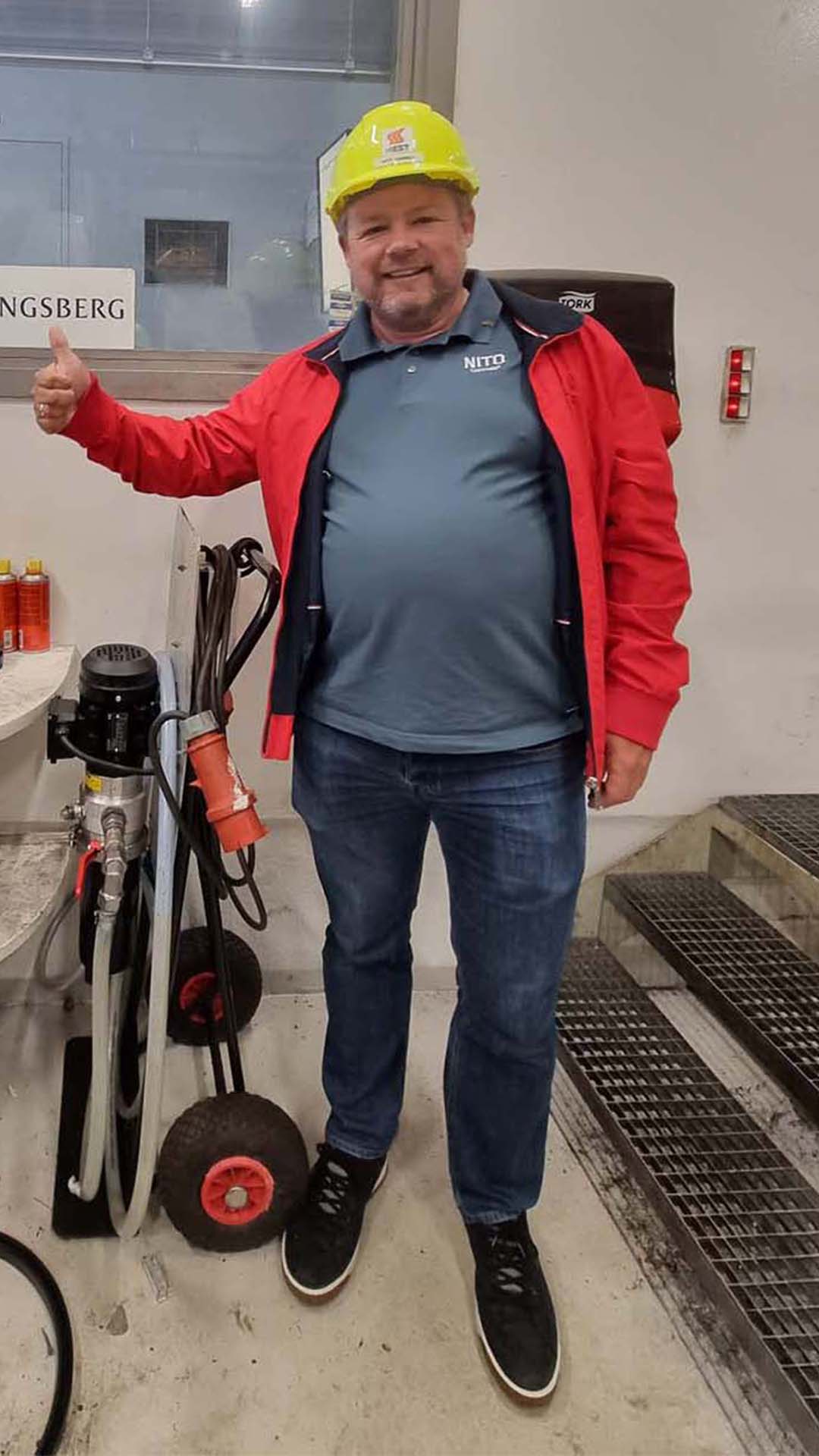
Eddy Nynes has saved more than 100 NITO members from losing their jobs. Now he is the main union representative in Kongsberg Marine, which was previously Rolls Royce Marine. Kongsberg Marine is a company that is doing well, but it is important not to forget the experience as a union representative in the former company as well.
Be prepared
Nynes looks back on demanding times with many redundancies. - It is important to be prepared for it to happen again, he says and encourages union representatives to be vigilant.
Advice for union representatives in a downsizing process:
- Demand a sample at the company level – not just one department
- Stand firm on seniority and objective criteria
- Use a lawyer and protocol actively – do not sign in the meeting
- Seniority is really uncontroversial. We have our backs free there. But when more people have the same seniority, it becomes dangerous. Then we see that companies often prefer to keep "their people" rather than make real competence assessments, says Nynes.
He refuses to accept that the sample circle is narrowed down to one location or one business area. - Demand that it is done at the company level. Expertise cuts across the board. Then you can't just clear out those who happen to be in the "wrong" department. We have been in hard rounds there.
Take control of downsizing
- Get a lawyer in early, he says. - Do not wait until the notices of termination have been sent out. We have brought in a lawyer from the Federation of Norwegian Industries and NITO several times. In one case, an employee who was in for a §15-1 meeting went out again with a job offer. You get a completely different weight when the lawyer sits in the room.
He emphasizes that you must negotiate criteria – not just "take note". - Demand seniority first, objective competence criteria later. The snout factor should not be introduced through the back door, he says.
- Many employers want to push through signatures there and then "to move on". You have to be the one who says, "No. We're going to have a legal review first." Don't let the pace of the process pressure you into giving up your cards
Nynes believes that management often wants the simplest solution. - They go for the shortest route: Least noise, as fast as possible. Our job as union representatives is to make sure that things are orderly, not just efficient. It is uncomfortable to be the one who stops the train – but that is why we have been chosen.
Close cooperation across unions is something he recommends: "At Kongsberg Maritime, we are six unions that support each other. When you stand alone as a union representative against HR and management, it is leaden. When there are more of you, it's much easier to resist the pressure.
Protect yourself – and your members
Downsizing is corrosive. Also on you as a union representative.
- I have been awake many nights. You take the things home with you, ponder what you could have done differently, if you could save more. In the beginning, it affects you a lot more. Gradually, you become more hardy," says Nynes.
Set boundaries for yourself
- You must be able to leave your job at work. On the heaviest days, you have to go out and walk, do something completely different. If not, you burn out," says Nynes.
He believes you have to accept that you can't save everyone. - I have saved 100 people. You have to fight. But in the end, it is the company that decides, no matter how hard we work.
Use the systems
- HR can get tunnel vision in its employer representation, he says. - Then you must be the one who reminds you of legislation, agreements, seniority, protocols and the right to add minutes.
Nynes also reminds that as a union representative, you are often more protected than the members. - I myself have been involved in processes about my own position. Twice I have been "saved" because I was a union representative. They are cautious about dismissing union representatives. Use that position to fight for the members – that's the whole point," he says.
- The best thing about being a union representative is when you see that a member gets a good solution, Nynes emphasizes. - When you can go home and say: "Today I made a difference". Then you can endure a few nights without sleep and tough meetings with HR.
See separate article about §15-1 meetings and why it pays to be a NITO member and have a union representative in the workplace:
Learn about termination, downsizing and layoffs
Are you worried about dismissal, layoffs or downsizing? NITO gives you an overview of your rights and how you can get help and support.
