

If you were president, what would you do first?
Imagine that you were in Tanzania, which execution would you tackle first? "President or not, know that a little engineeringexpertise from Norway creates value.
The differencenow between Norway and a country like Tanzania is huge. If you were in power and could run the country, what steps would you take?
Illiteracy is a common phenomenon. Thisis not a well-developed school or health system. Is health and education the first thing you want to do something about, and what about all schools and health centres in rural areas having access to electricity?
Is garbage disposal something you establish?
How about striking a blow for gender equality, equalrights, or human rights in general? And at the same time crack down on the sheer extent of corruption?
What about improving roads and ensuring a better transportsystem? Inspire trade union work? Or help everyone get a roof over their head and a meal a day?
Wheredo you start? Maybe you take the latter first?
Great opportunities
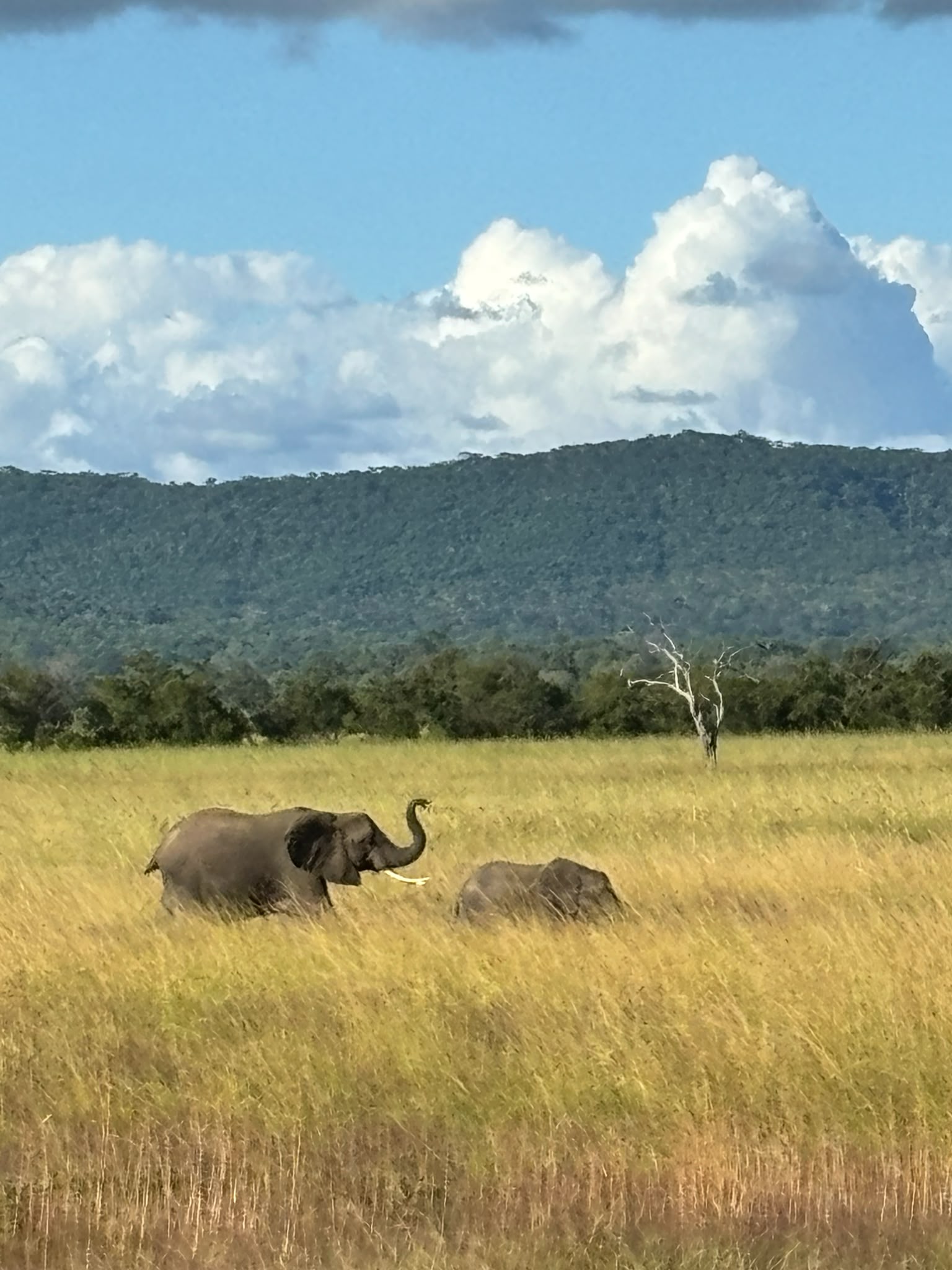
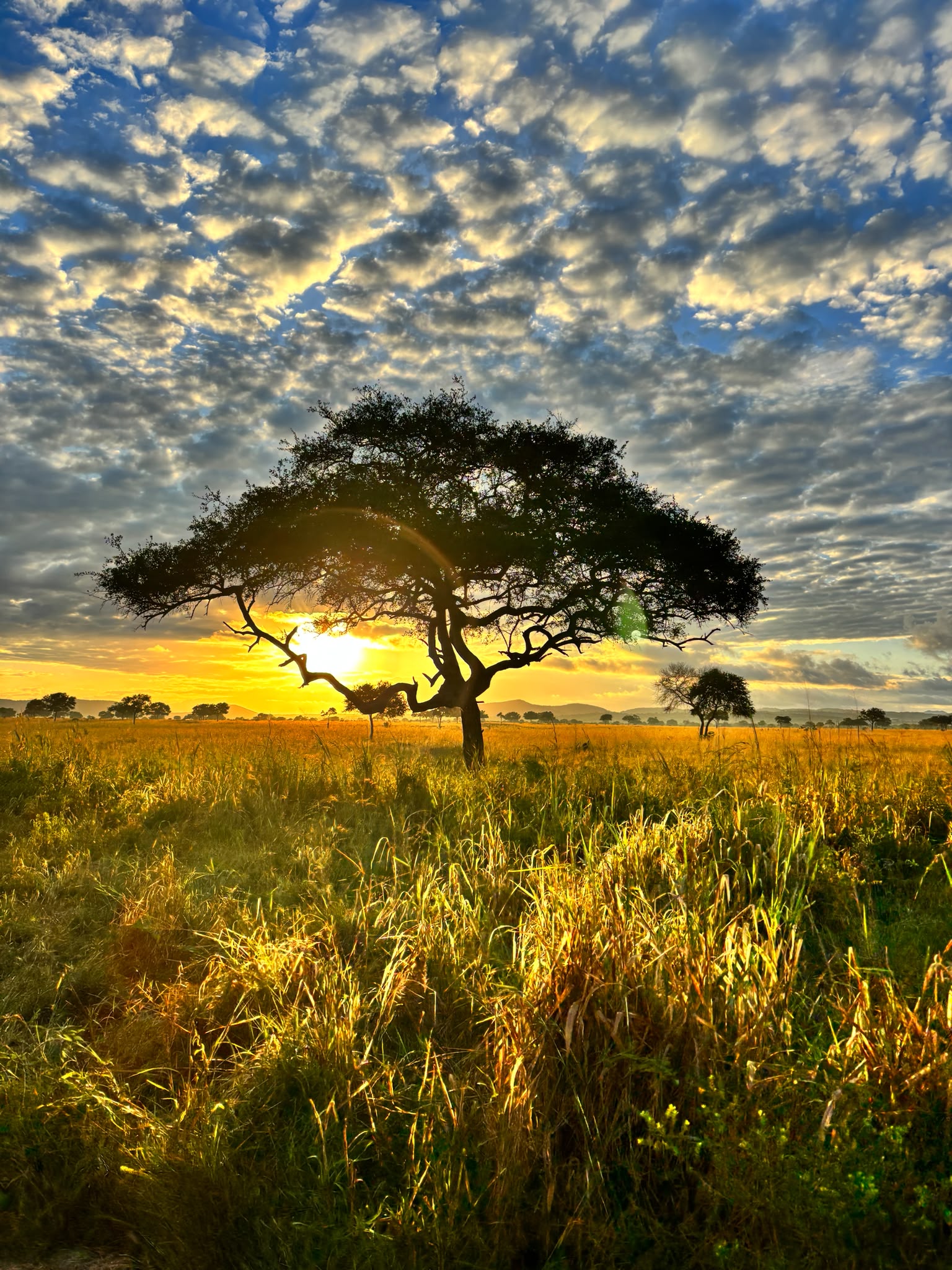
Tanzania is also a rich country. There are greatnatural resources here. The country offers stunning coastline, beautiful islands such as Zanzibar, and unique safari experiences.
Can the country make better use of tourism?
Maybe you won't be president...
If you do not plan to become president of Tanzania, it is possible to contribute to change in other ways.
NITO is a partner of EWB-DK and supports their work in vulnerable areas, in countries such as Tanzania.
EWB-DKworks closely with local actors and focuses on knowledge sharing, not charity at a distance.
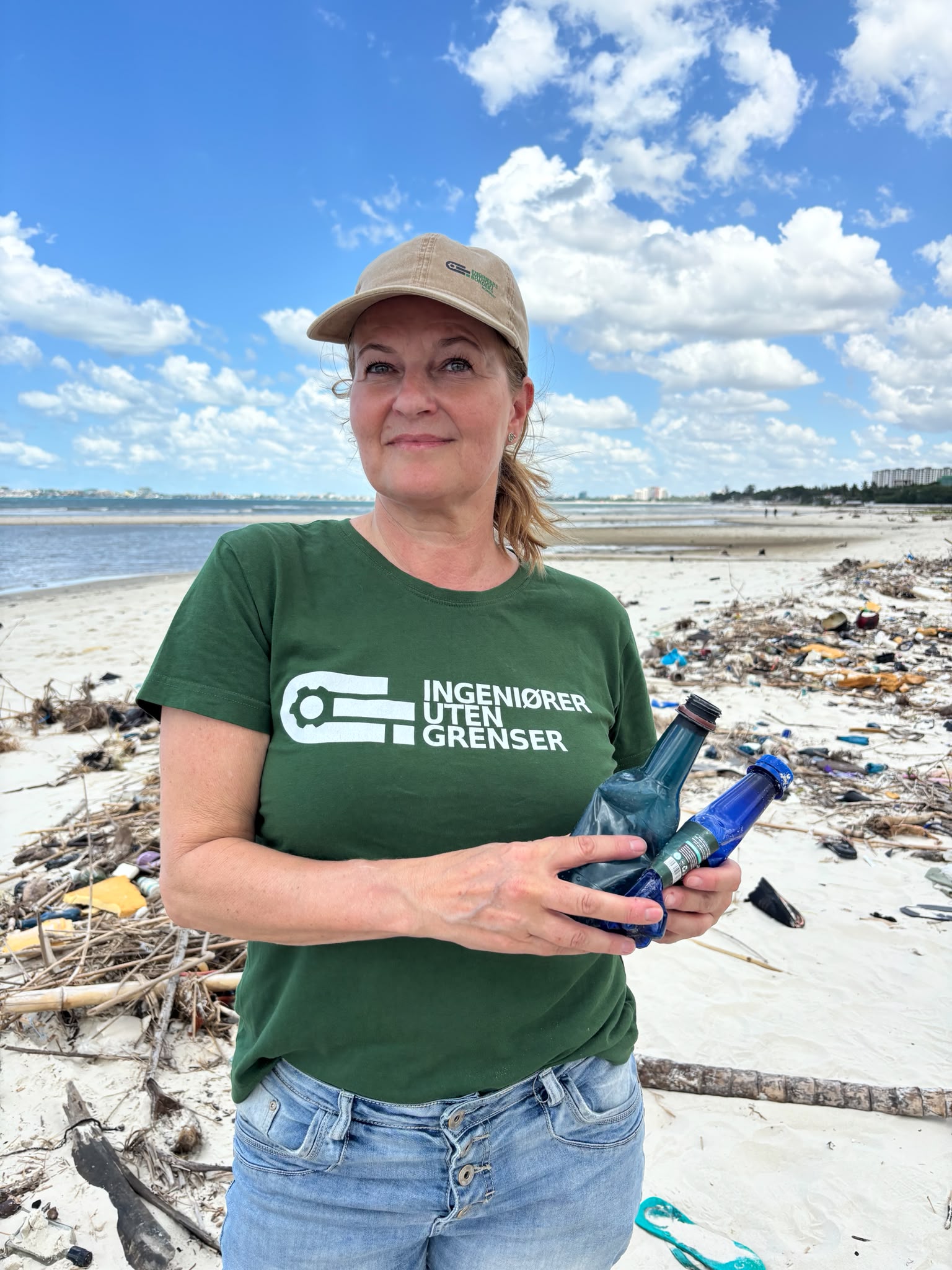
- The goal is not to come in with Norwegian definitive answers, but to strengthen people and communities locally. Sustainability is an important keyword in our work, says Marianne Nilsen Sturmathisyear (pictured), Secretary General of EWB-DK.
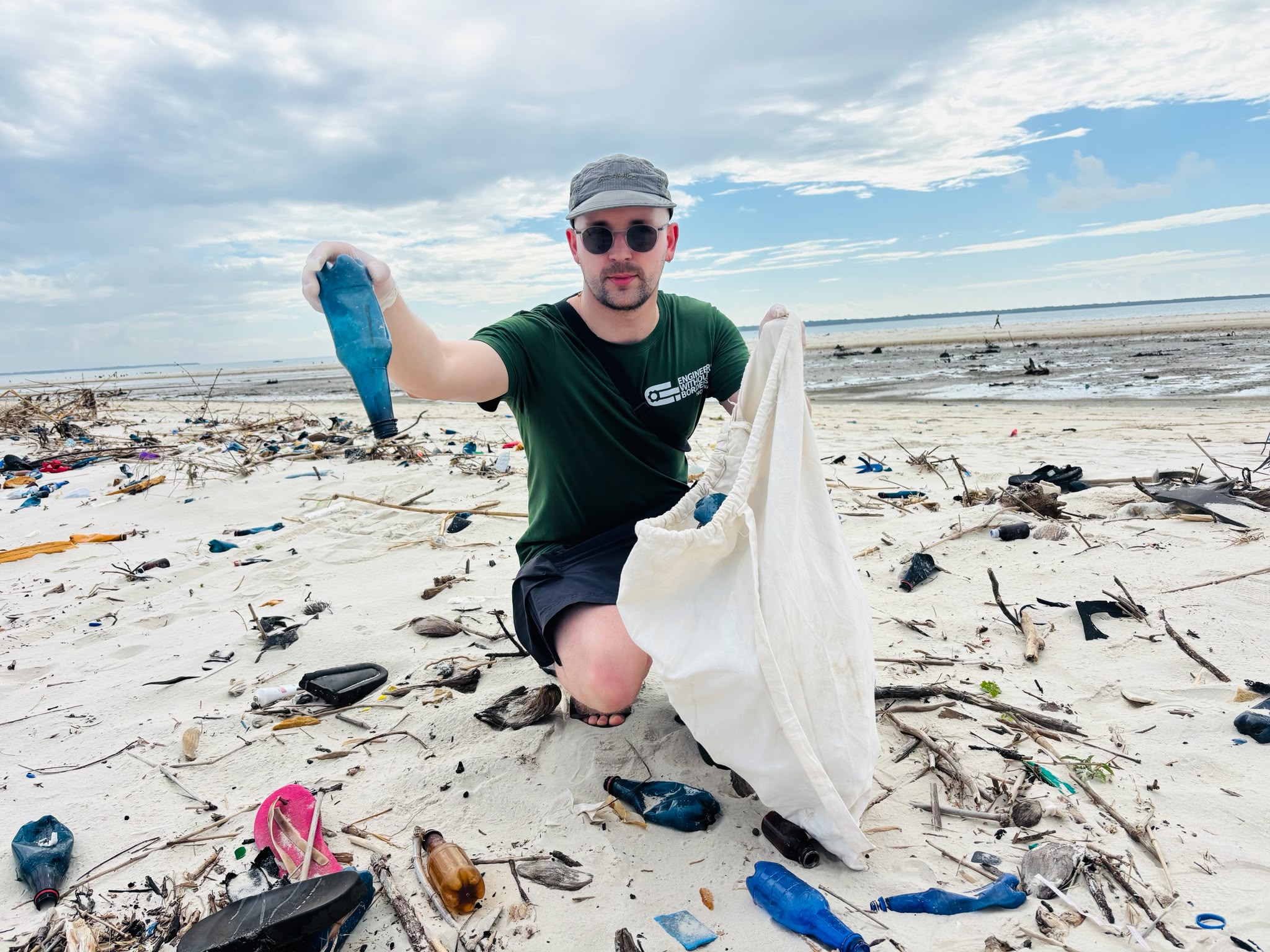
Sturmair is pleased that many of NITO's members have chosen to be monthly donors to the organization, and thus support the important work. Here she is pictured collecting plastic on a beach in Dar es Salaam.
From old plastic to cash
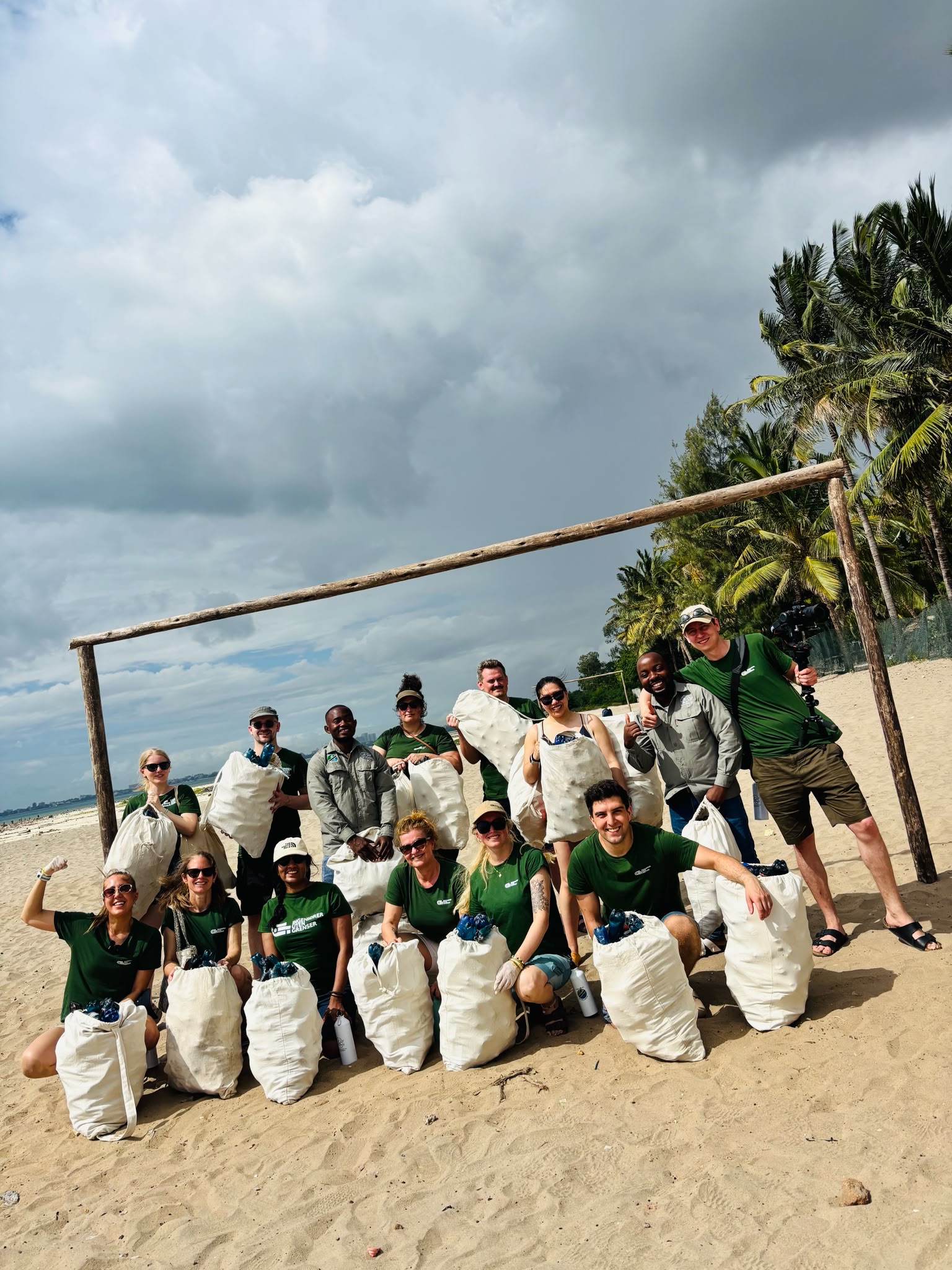
In the spring of 2026, five of EWB-DK's regular donors got an insight into what is happening locally in the field in Tanzania, and as new regular donors, they won what was an unforgettable trip.
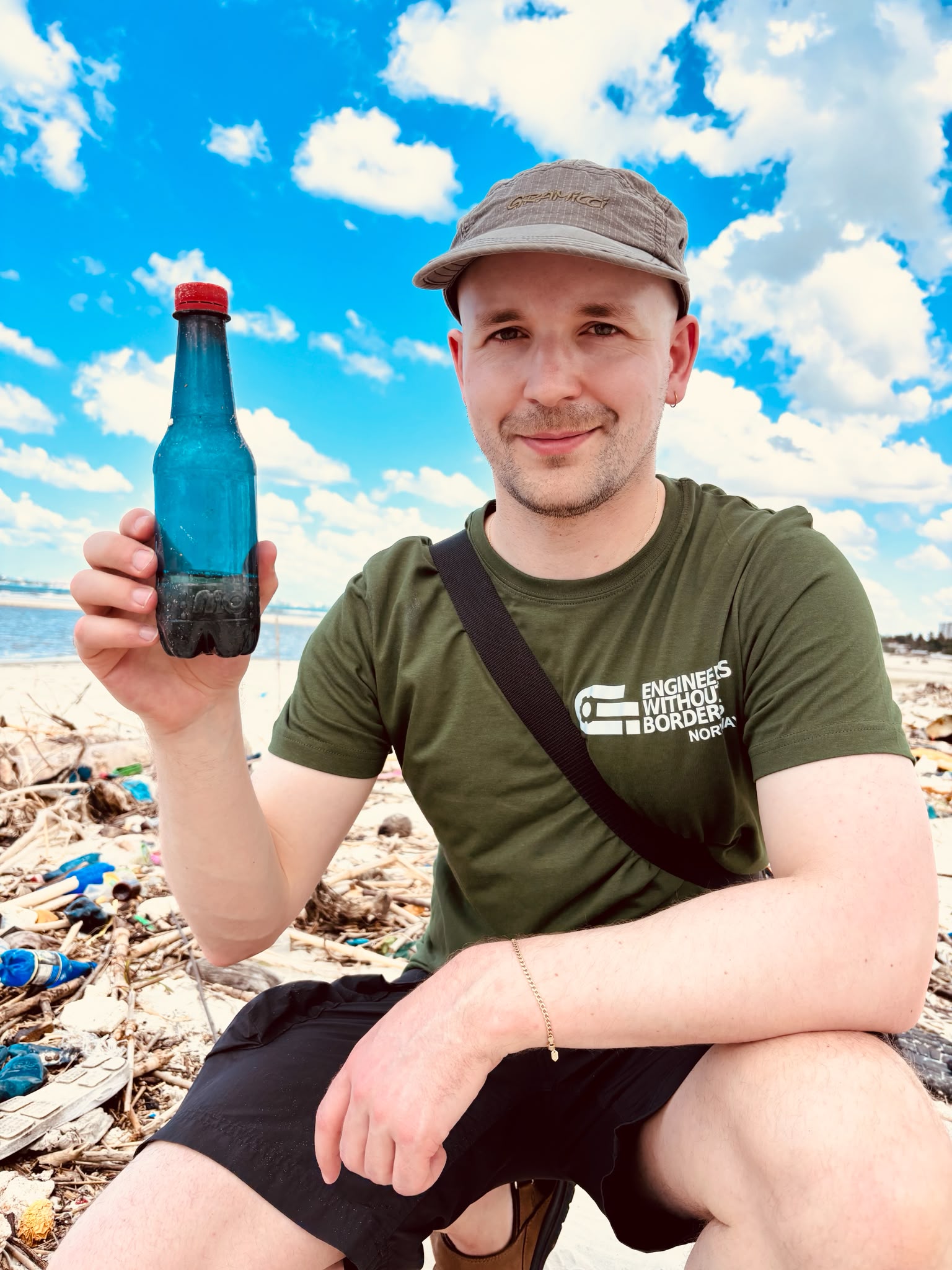
They got to work in the field as well: Onthe beach outside Dar es Salaam they picked up plastic bottles washed ashore from the sea. The bottles are then washed before they are put into a machine that makes table tops, table legs and other marketable products. orer.
- Here he says it is about more than beach clean-up; the goal is to be able to catch plastic before it ends up in the sea. e c unne les and selge plast og annet avfall som tidligere ice hadde verdi, Sturmair explains about the vision behind it.
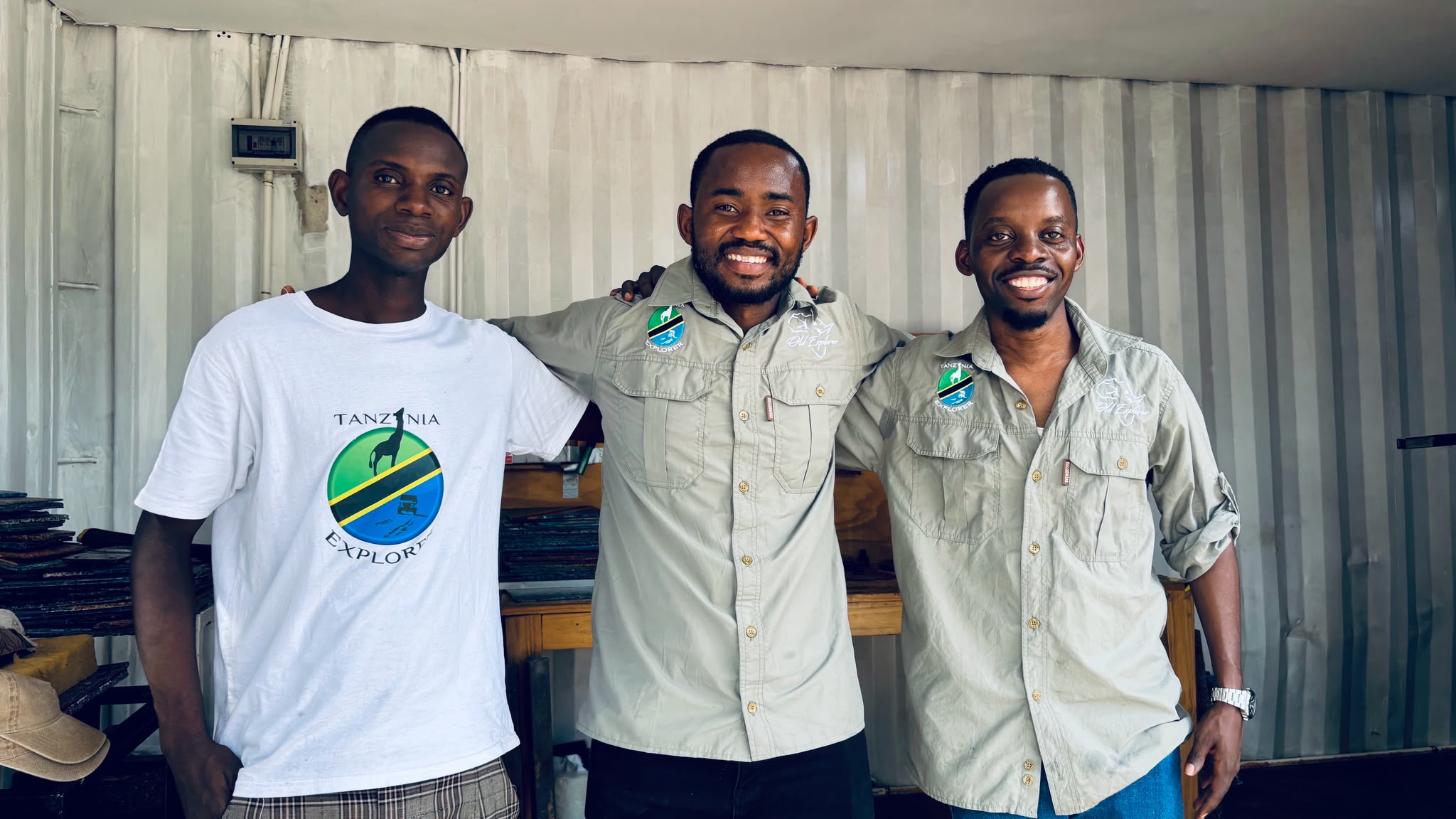
From cardboard to cash
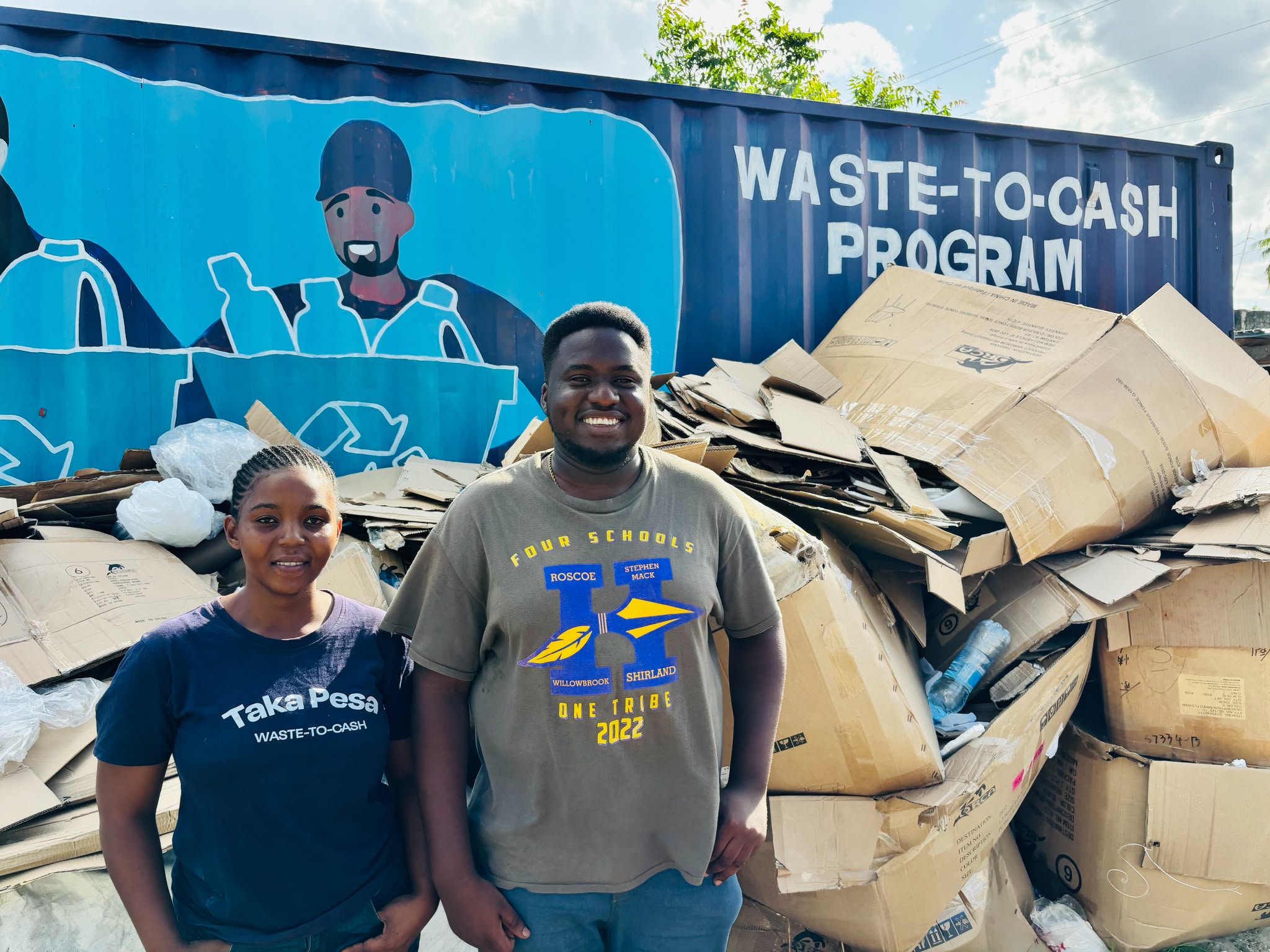
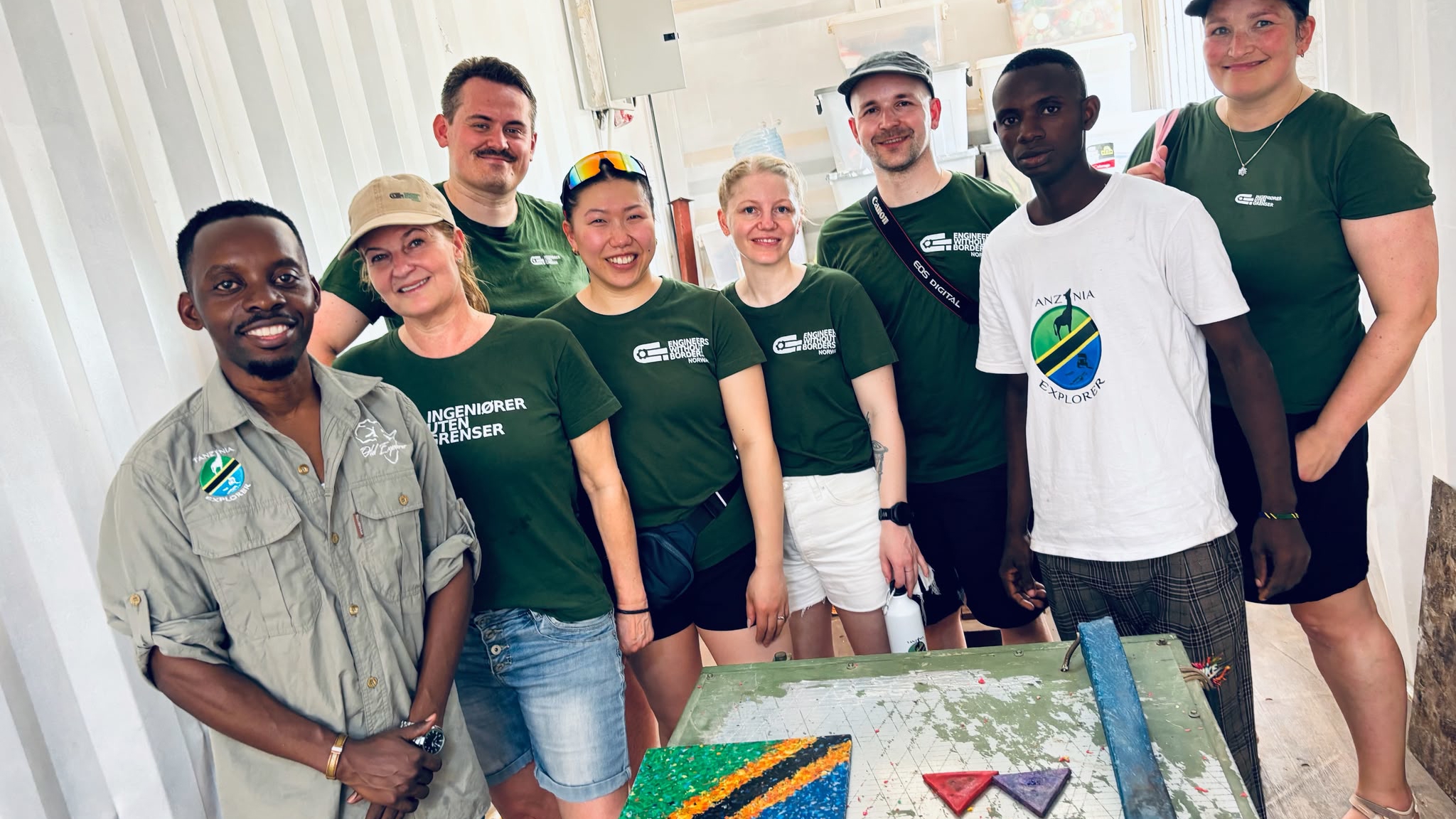
There was also a meetingmed Oliva Oscar Msigwa and Peter Emmanuel L umambo (pictured) who receives it Localgroupa collector ofpaper p. Msi gwa weighs the cardboard, and then she pays out money per day to those who have collected the cardboard.
- Collected onpp gj en vinnes and blir to eggekartong and servietter , siis MsiGWA.
- T e tt ha ns about g je nnning yes, but w so much about fo people out toget alotof wealth, says Lumambo. Han fadvocates that Msigwa is an importantfigure indrag, a role model for other women.
Msigwa explains that for many families, this means an extra income in a tough everyday life, and it results in less littering.
Light, water and hope at school
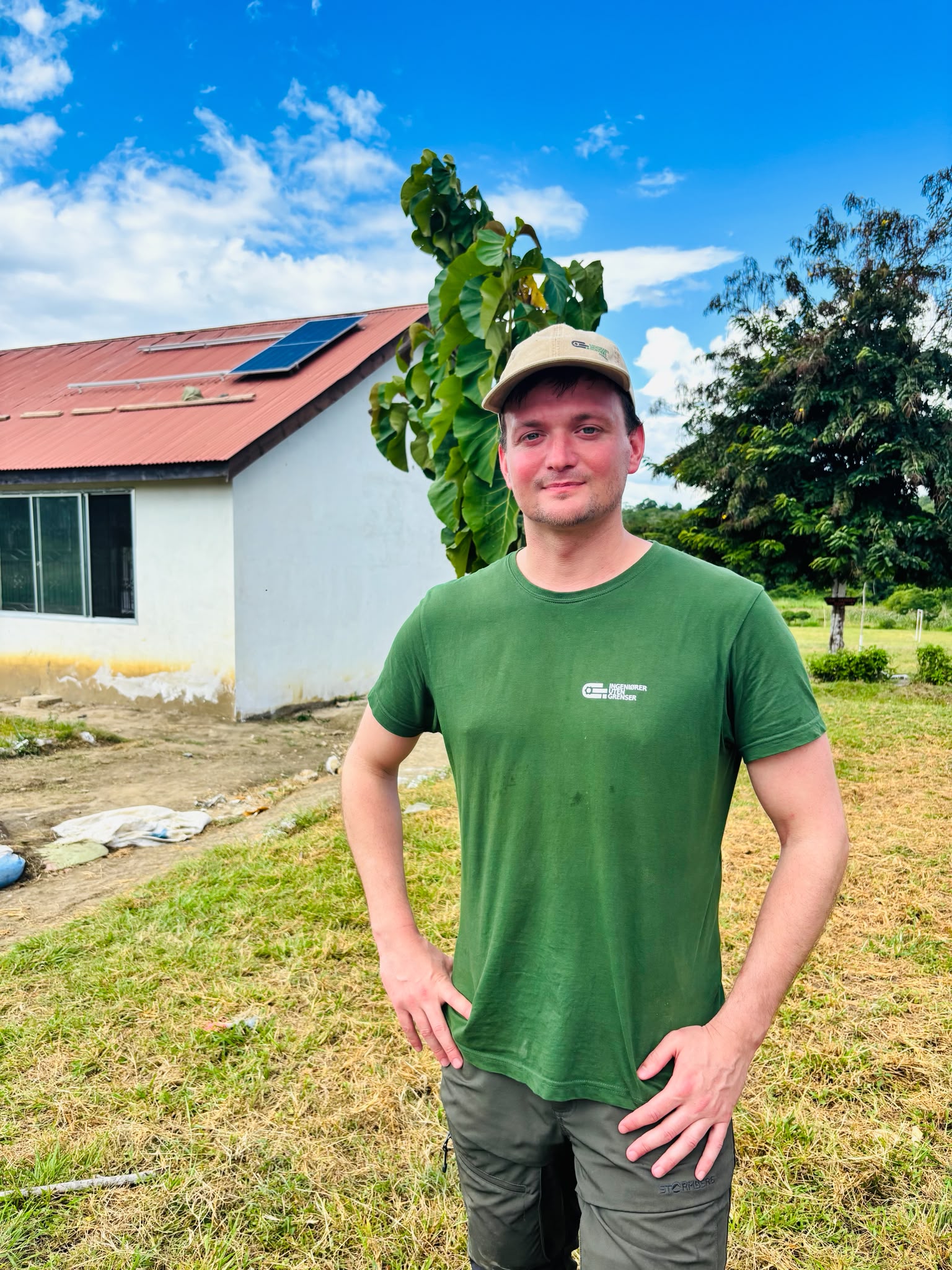
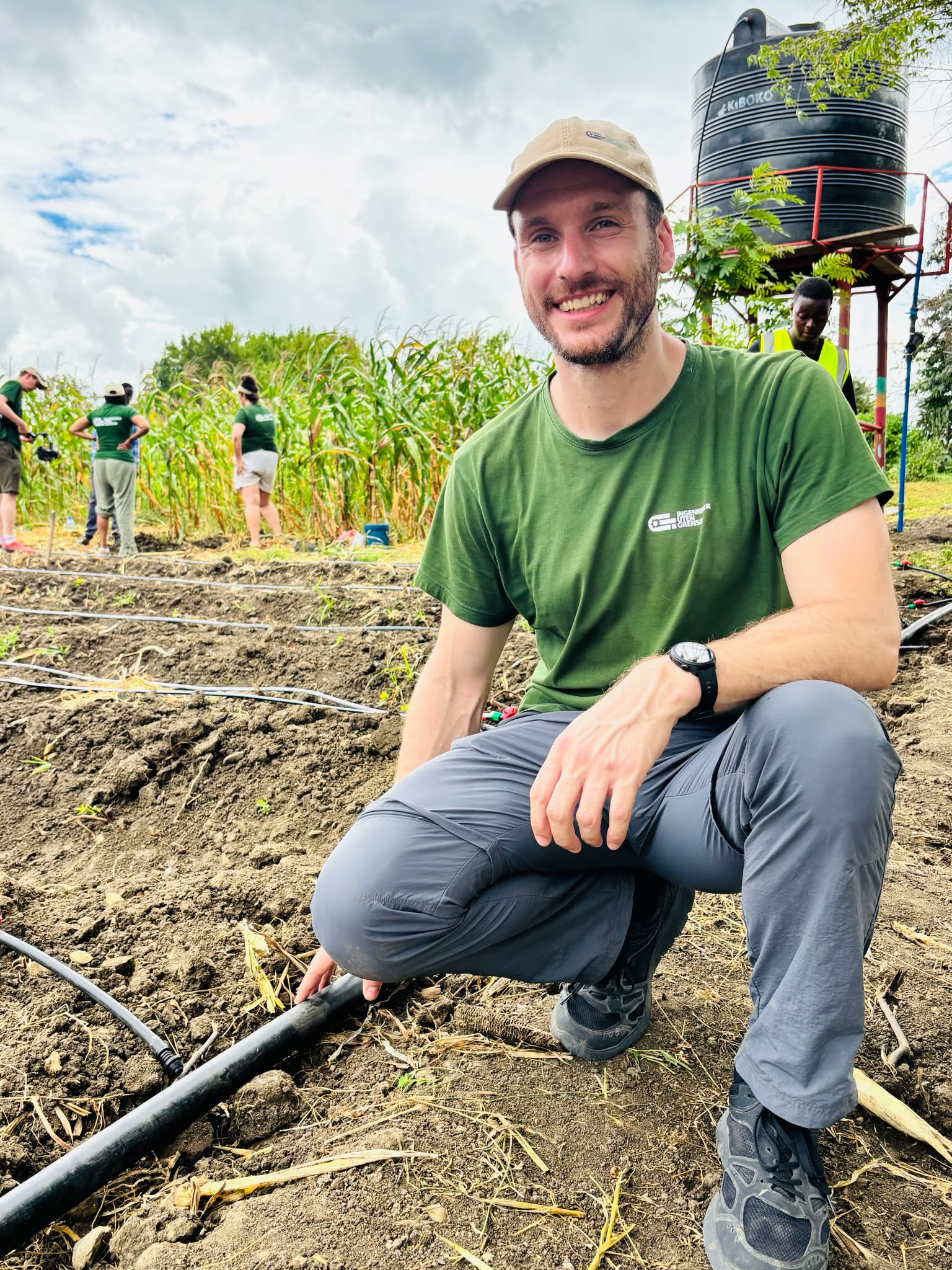
The school , with 86 students and only 7 employees, is run by Julie Dominic from Bergen.
Here we find Torje Evense n from Multiconsult and Marin Preb eg from DNV (formerly Det Norske Veritas). in Tanzania noen dager and bidr arwith hands on-arbeid to put in place solar cell systems on the school roof and A leak-free irrigation system that irrigates the field at the school.
The result is concrete: The pupils get light, and the school can grow food itself.
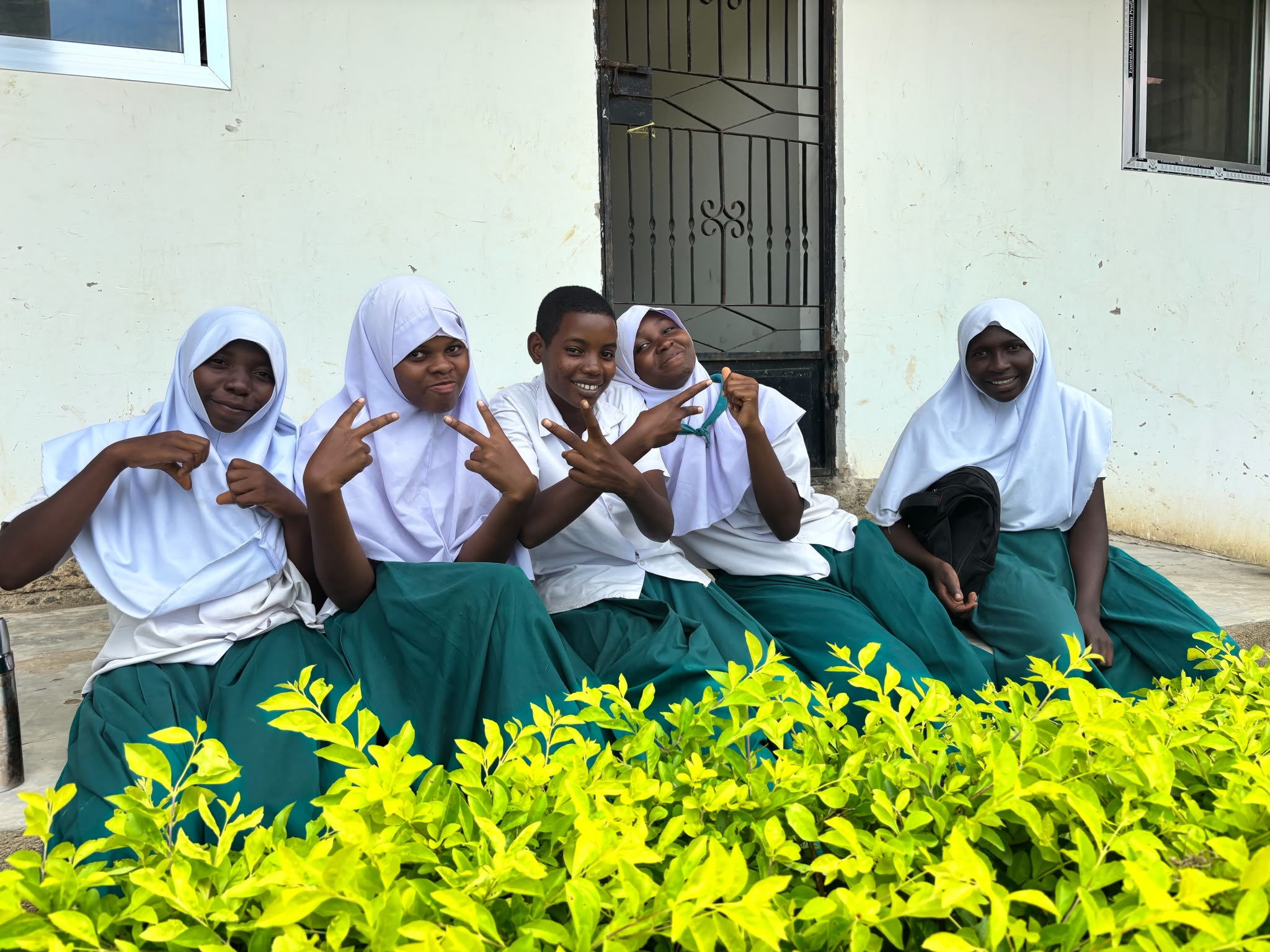
These are just some of the projects EWB-DK is involved in. Engineers are problem solvers, here they want to transform expertise into better living conditions for people who have the least.
Throughout the trip, the participants got strong impressions, a reminder of the potential that lies in local initiatives.
The big difference
While Norwegian workers often have security through trade unions and strong earned rights, people in Tanzania live with weak protection in working life.
This is also part of the underlying strategy, which is why local initiatives, practical solutions and knowledge sharing are extra important, which will contribute to job opportunities and better lives.
It is about solidarity, sustainability, that engineering expertise contributes to real development in Tanzania and in other countries.
Will you be elected president? "So where do you start?"
On the trip, many changes and differences between Norway and Tanzania were discussed. The initial question was: Whatwould you do if you were president of Tanzania?
Become a regular donor now
Sees that it works
Statements from some of the participants on the trip:
- All credit to engineers who get involved through EWB-DK, says donor Sondre Karlsen.
- I am impressed by all the volunteers who take the time to do this without getting paid a penny. That is admirable. I'm going to give it my life, and I want to raise the amount that I payeverymonth. You also getto write off themoney you give on the tax. This is aid money I know what goes to.
Tonje Jacobsen, one of the other winners from the competition, says she likes the way the work is done, and the focusis that those who live here locallycan run the projects themselves.
"It's a simpleway to work with aid," she says.
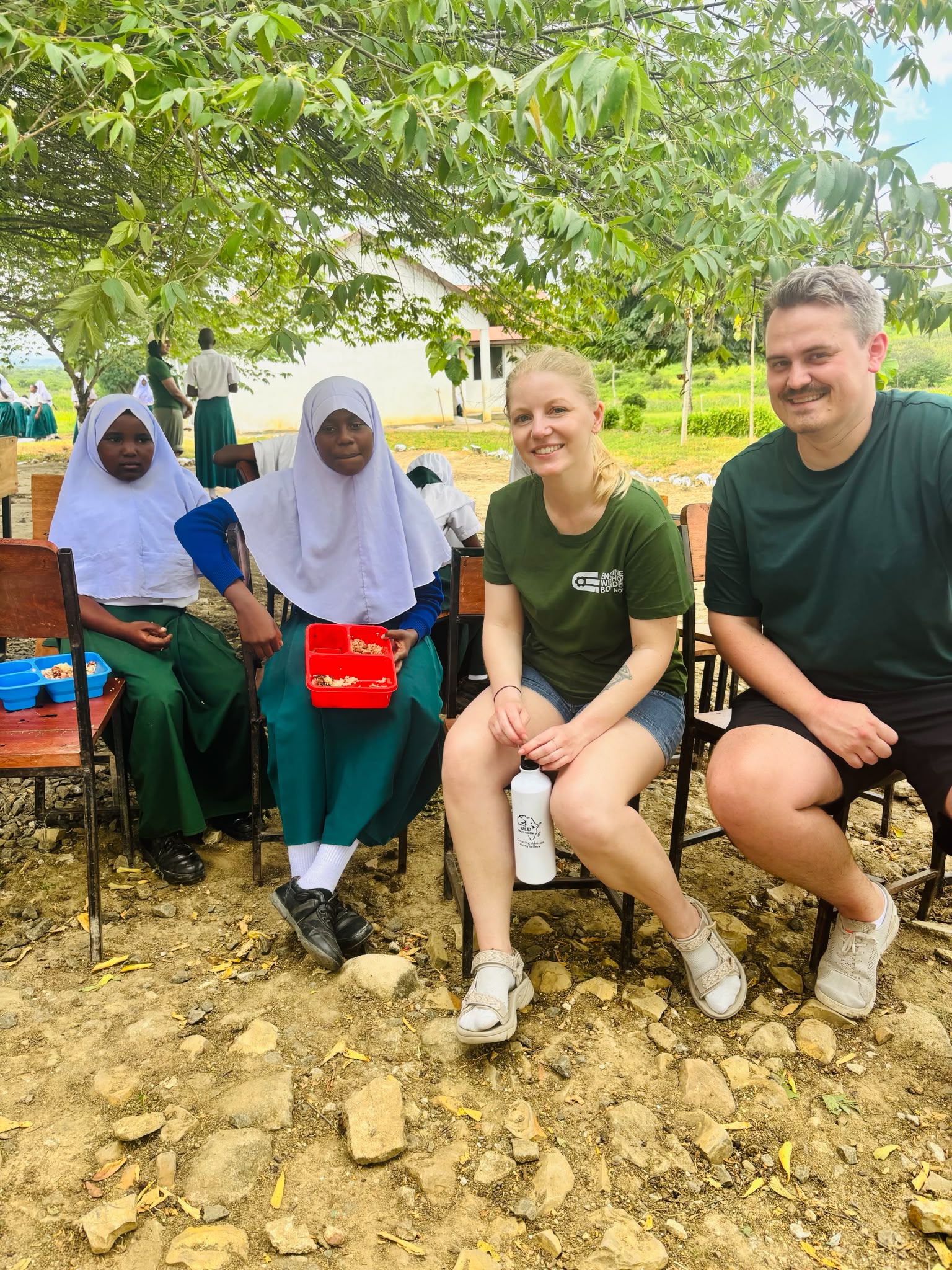
Sindre Haakonsen, who also won the draw, agrees: - It will be very practical.
- That money is not only distributed from Norway, but that engineering expertise from Norway also assists and makes further development with people locally.