
Silje knows why more orthopedic engineers should choose NITO
A new finger or arm; Silje Halstenrud Lund gives people a better life. She wants more people to choose her profession, because Norway needs many orthopedic engineers. She also wants all orthopedic engineers to be included in the NITO community.
As an orthopedic engineer, advanced technology, craftsmanship and close patient contact are combined. There is a shortage of orthopedic engineers in Norway. Only 16 new people are trained each year.
What Does an Orthopedic Engineer Do?
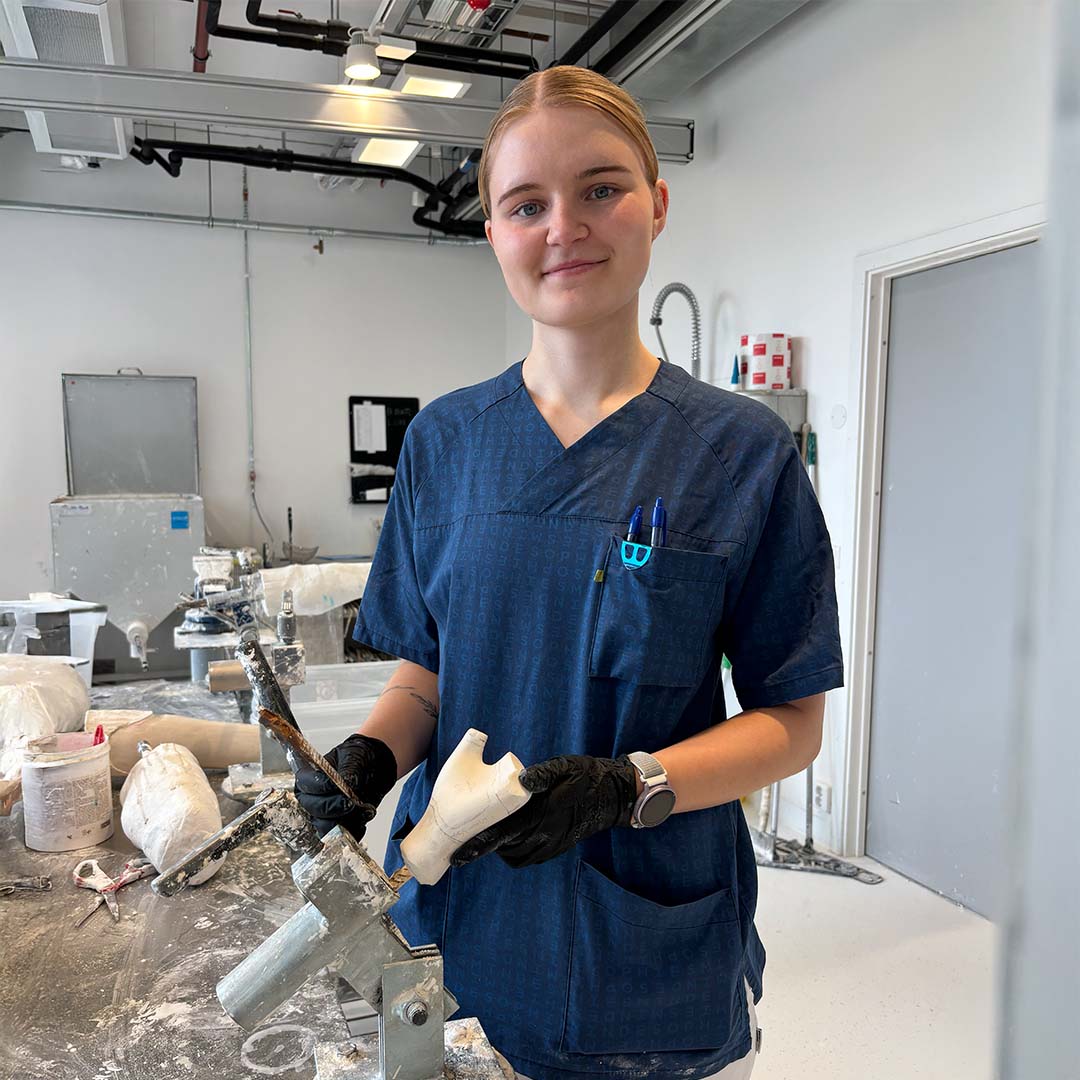
The professional title may seem like a foreign word. - We help people who are missing an arm, a leg or a finger, have cerebral palsy and need help to walk, patients with osteoarthritis problems in several joints or people with scoliosis/crooked spine, explains Silje Halstenrud Lund. She works at Sophies Minde Orthopedics at Bryn in Oslo.
- We cannot completely replace the body parts, but build on and find solutions that make everyday life easier, she says.
For Lund, this is precisely what makes the job meaningful: That the "little" she does has enormous significance for another person. She particularly highlights working with children, how great it is to see that an aid she designs can enable them to participate in activities on a par with other children.
"It makes me sad when I get patients you know have a disease that makes life short," she says. "But it's nice to be able to try to make a significant difference during the time they live.
She herself ended up in the profession because she was inspired by her grandmother who worked at an orthopaedic workshop in Hamar. Lund got a summer job there in his youth. After high school, it was between physiotherapy, biomedical laboratory technician and orthopedic engineer. It became an orthopedic engineer and I don't regret it for a second.
Why choose an orthopedic engineer?
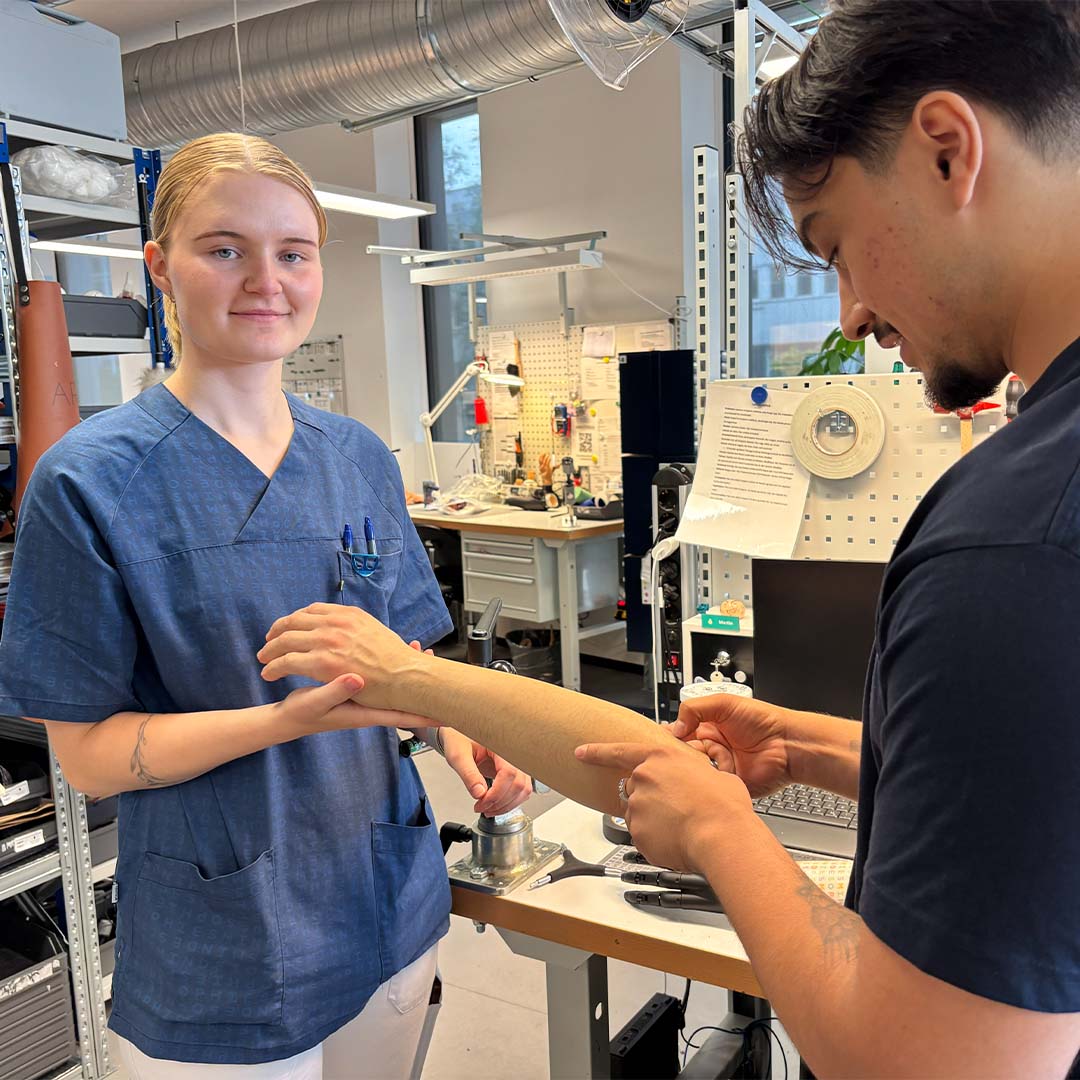
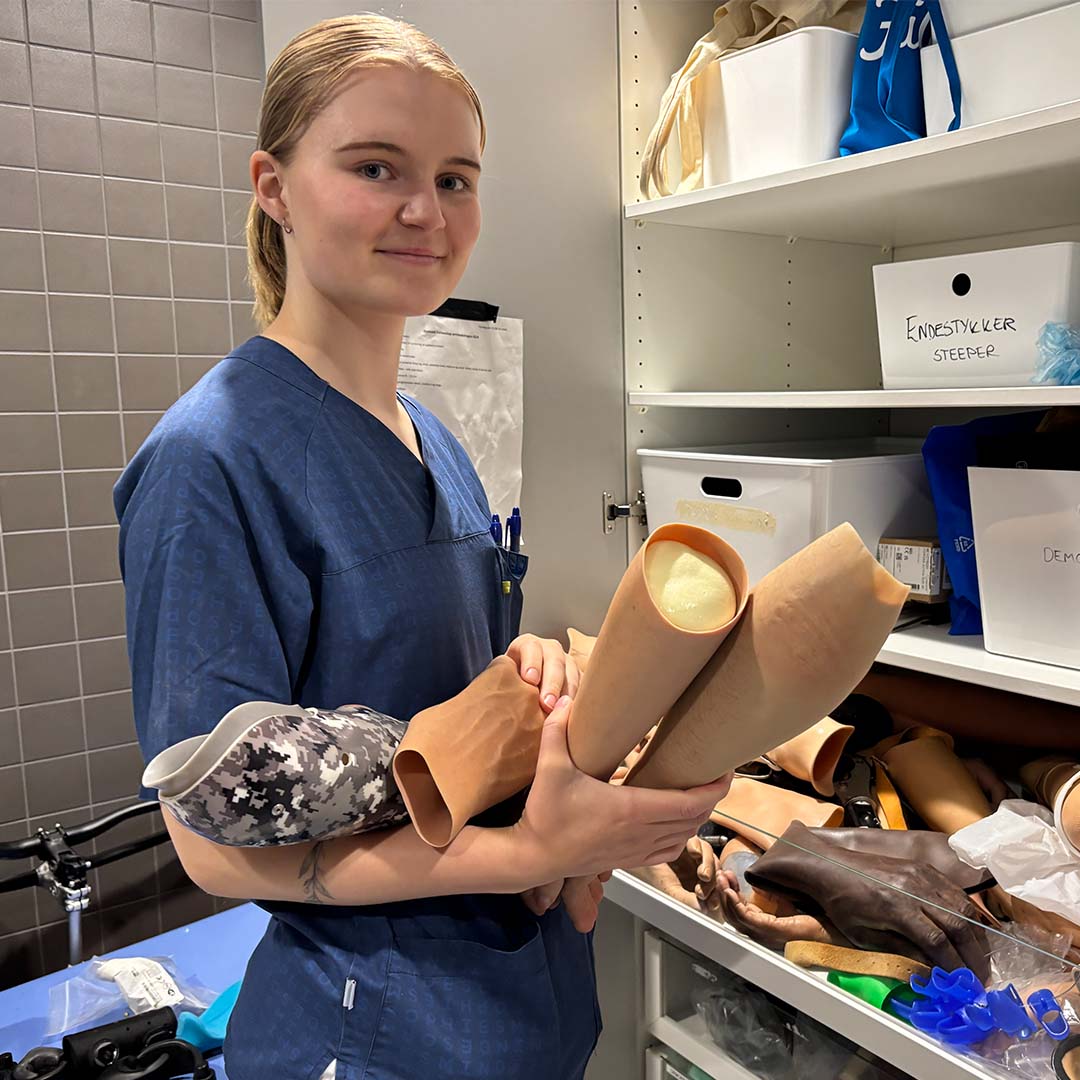
The working day is anything but monotonous. - I work with most orthopedic aids, but mostly work with arm prostheses and hand orthoses/hand splints. In short: The aids that sit on the outside of the body and that can provide better function and quality of life," she says.
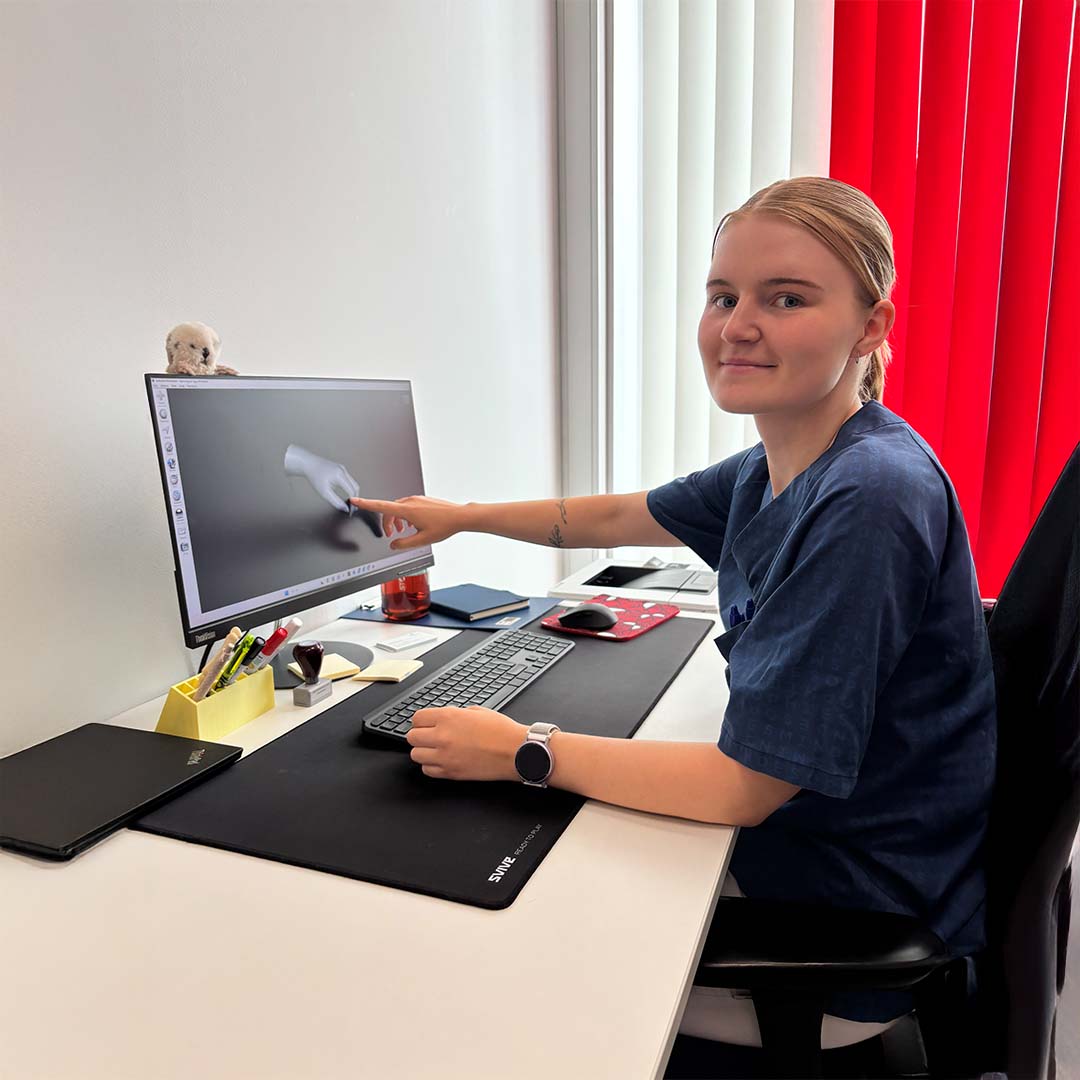
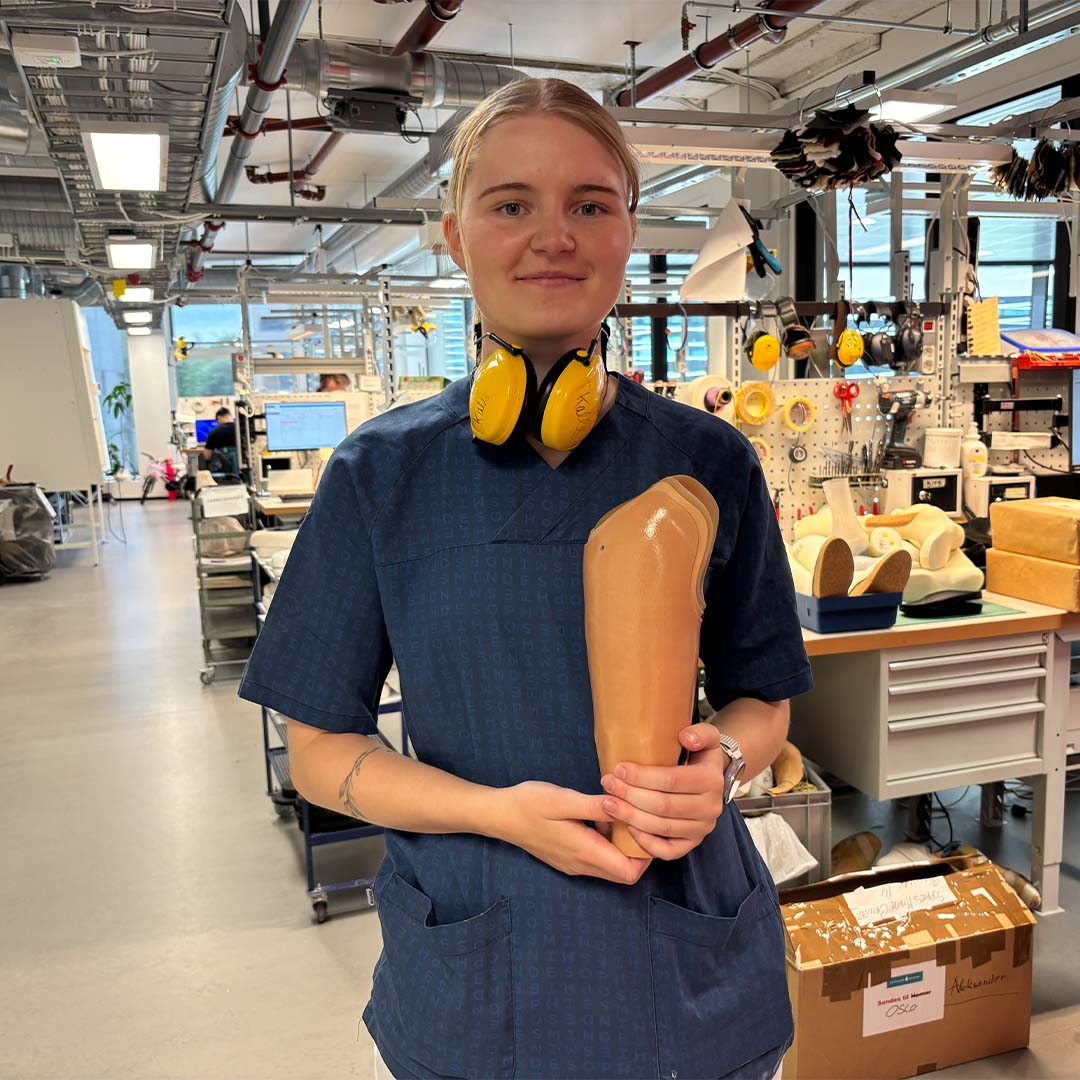
- I take measurements of the patient; either by using plaster or a 3D scan of the arm or stump as it is called, to get a copy of the patient's arm/hand. Then I model the file/plaster before it is passed on to an orthopedic technician. I don't make the prosthesis or the orthosis itself, but together with the technician we come up with a result. The technician is a specialist in materials, I adapt the finished prosthesis to the patient," she explains. The interaction between the occupational groups is important.
- The prosthesis you gave me worked great when I was kayaking, it's a nice feedback to get from a patient, says Lund.
It is more brutal to meet war wounded from Ukraine. It leaves deep marks. - These are people who have been exposed to something they should not be exposed to. It has been horrible to see the mutilations caused by explosions and shrapnel," says Lund.
I said no thanks!
- Young boys who lack arms and legs, who are extremely grateful for the help they receive. It's motivating to talk to them when they appreciate what you do so much. It's nice to be able to help them return to a more normal life.
"Someone from Ukraine wanted to show me a picture of what it looked like shortly after the bomb had exploded," she says. - Then I said "no thanks". I have to be careful not to get too emotionally involved, make sure to "not bring work home", because then you don't have the energy to stand in it.
It is more normal to help people with neurological diseases and birth defects.
That hand must be real...
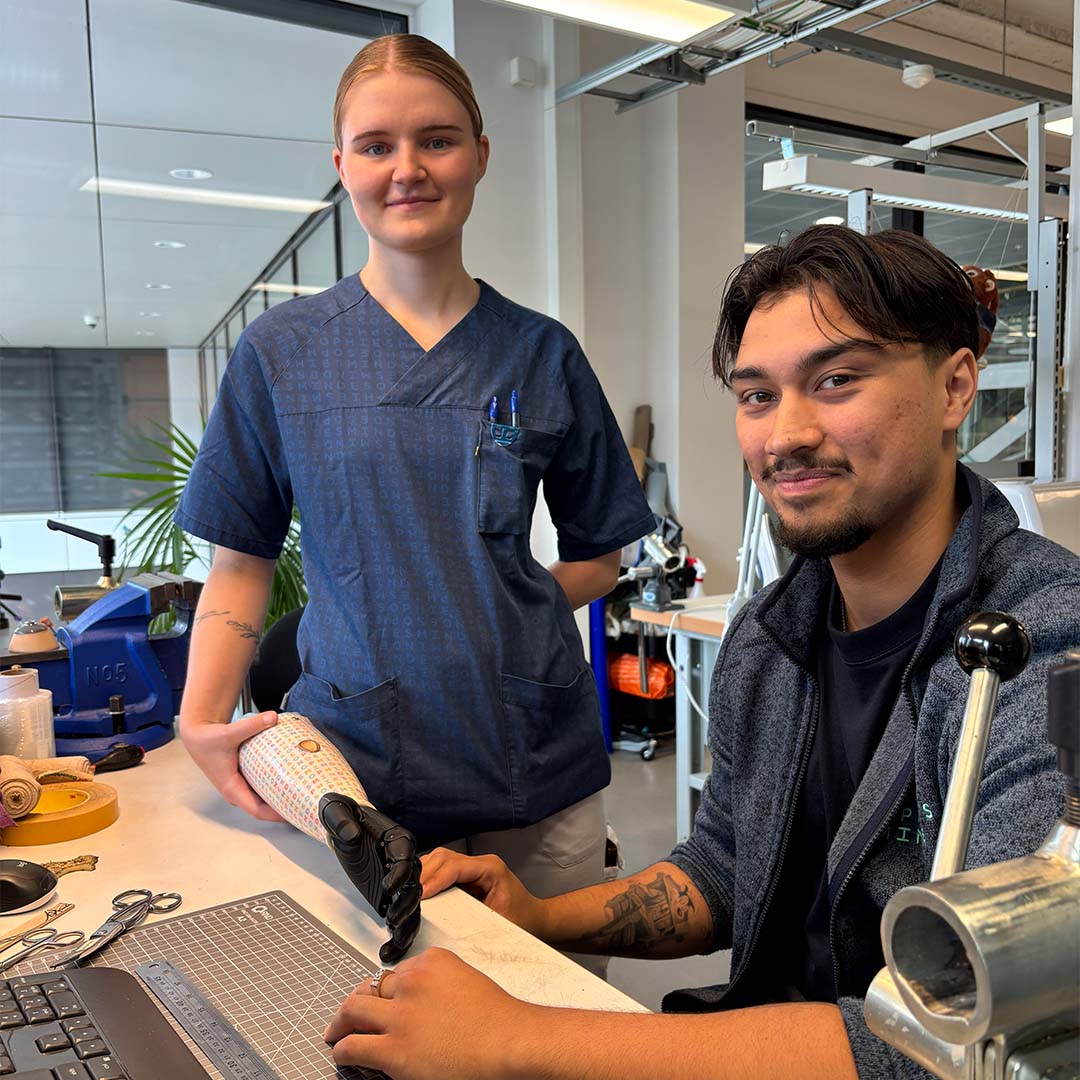
The prosthetists' solutions are becoming more and more realistic.
- It may look like a real hand, what we are making. You can also choose a special color; Crisp pink or black with a carbon pattern," says Lund. - A lot is made of plastic, we also use carbon fiber, metal and wood.
Stronger with NITO
Lund has been a union representative for NITO for two years, as one of three local union representatives. At Sophie's Minde Orthopedics, the vast majority of the orthopedic engineers are members of NITO. Sophie's Minde Orthopaedics has its main department at Bryn, with departments at Rikshospitalet, Aker Hospital, Drammen and Hamar.
Without hesitation, she says this when asked why she is a NITO member: - Because you are stronger together with others.
In the summer of 2026, the NITO group counts a total of 44 employees. The fact that there are so many of them gives weight in salary negotiations and in other contexts with management. Together, they have a large support system if something gets difficult at work.
"As a NITO member, for example, you get legal help if you need it," says Lund.
Extra offer for orthopedic engineers
She particularly highlights the unique offer for orthopedic engineers; professional network through NITO Orthopedics. Here there are tailor-made courses, professional meetings and conferences especially for orthopedic engineers.
- For me, NITO's courses have made me more confident in demanding situations, especially as a union representative. I have grown both professionally and personally," she says.
- If you are not a NITO member, you are more alone. If you need to raise something with your manager, you as a member will get help from a union representative and from NITO if desired. It is a great security," she says.
Many advantages
Of the more economical member benefits, Lund highlights the offer Tryg Legehjelp, which provides access to health care 24 hours a day. This is free of charge.
- I have all my insurances with Tryg, which is NITO's insurance partner and which gives extra good prices to NITO members, and I also use my NITO discount when I shop for clothes for mountain hikes with Fjellsport.no.
Typical for prosthetists
"What unites us as orthopedic engineers is a need to help other people," says Lund. Then she laughs a little and says that if it is the case that a group of orthopedic engineers are together and walking out on a road, they quickly analyse how people walk.
- You learn so much from gait analysis. "He walks a little easily on tiptoe, maybe he has pain in his heel. Oh, she walked a little strangely, maybe she should have had an orthosis there". It's a bit funny when you're a bunch of orthopedic engineers on a trip. This kind of thing happens inside our heads all the time," she says.
Lund wants a larger group of orthopedic engineers at NITO and looks forward to even more joining.