





A thing we can agree on
We saved Mjøsa for people, animals and nature. Now we have to save the Oslo Fjord.
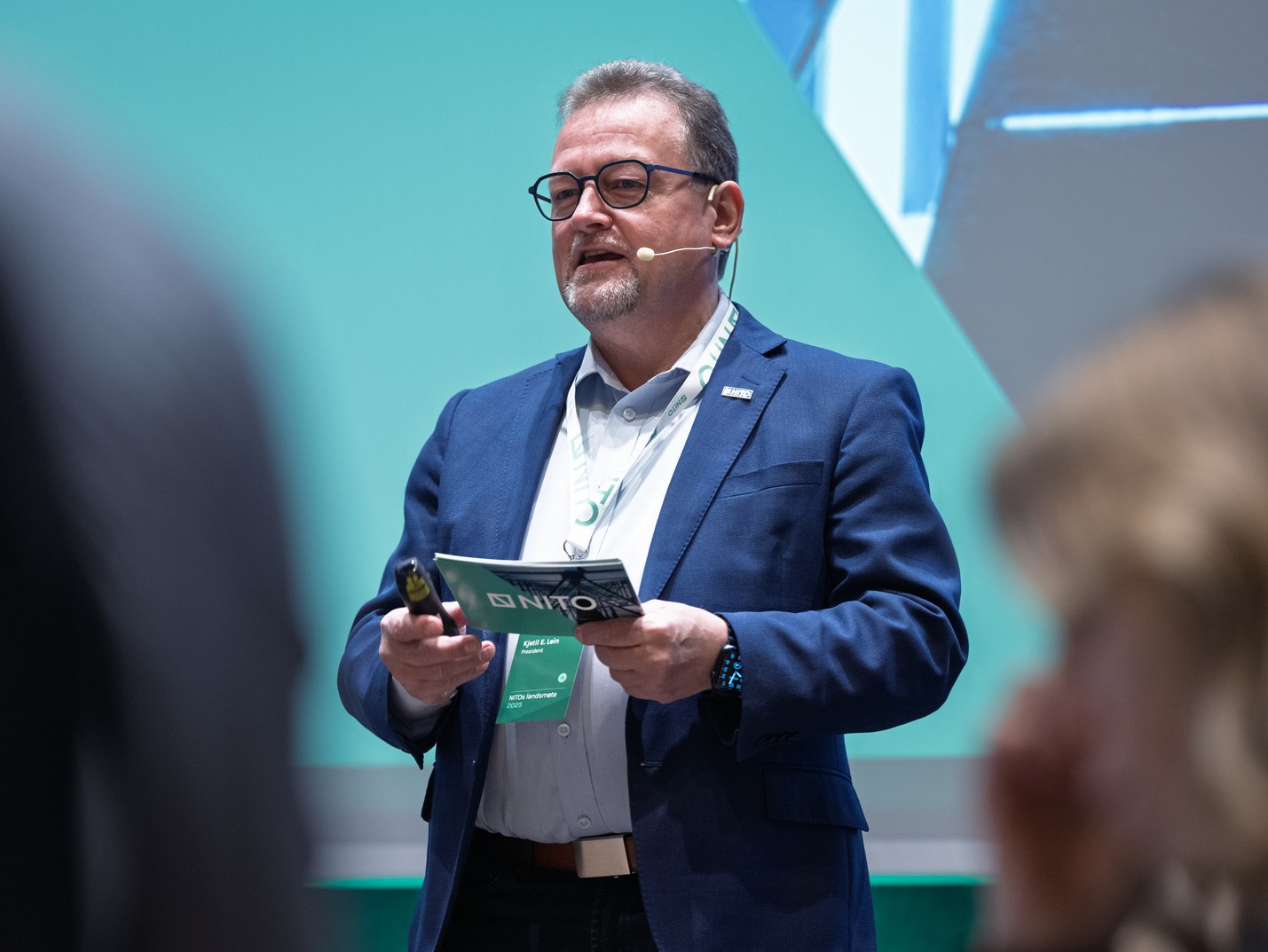
Debate: By NITO President Kjetil Lein. The post was published on 15.12.2025 in nettavisen.no.
Last week I walked through the center of Oslo in the December rain and it smelled bad. Then I was both distraught and grateful. Desperate because we humans literally shit in nature, but grateful that I don't have to live with the smell every day. Water and sewage are underestimated. The Oslo Fjord is polluted. It doesn't have to be that way.
I think there is both cross-party agreement and a consensus among Norwegian citizens that the fjords in Norway should be clean. This should be a priority for the Government. The Oslo Fjord must be safe for people and fish. Even though both shaggy and bacteria enjoy themselves, it is a slightly different biodiversity that we envision.
First Mjøsa, now the Oslo Fjord
In the 70s and 80s, the Norwegian authorities carried out the Mjøsaksjonen - a major effort to improve the water quality in Mjøsa. This is considered one of Norway's most successful environmental and water management projects. Among the most important measures implemented were the development of wastewater treatment plants and strict tightening of emissions from agriculture and industry.
The Mjøsaksjonen campaign had clear, simple and measurable goals, and in addition, the state took a large part of the bill - in fact, up to 90 per cent of the investment costs for several of the largest treatment measures. We call for the same type of willingness to act for the Oslo Fjord and a coordinated effort for all the municipalities that are located in the catchment area around it. In practice, this means large parts of southern Norway. It is time for a rescue operation for the Oslo Fjord.
NITO, the Norwegian Association of Engineers and Technologists, is with our 116,000 members the country's largest trade union for engineers and technologists. Many of our members work with water and sewerage. We can clearly see how the pollution of the Oslo Fjord has serious consequences.
The Ministry of Climate and Environment has invited to provide written advance input in connection with the government's presentation of a new Oslofjord plan in 2026. Our most important input is simple: The municipalities around the Oslo Fjord must receive financial support to invest and upgrade their water and sewage systems, so that we avoid further pollution of the fjord.
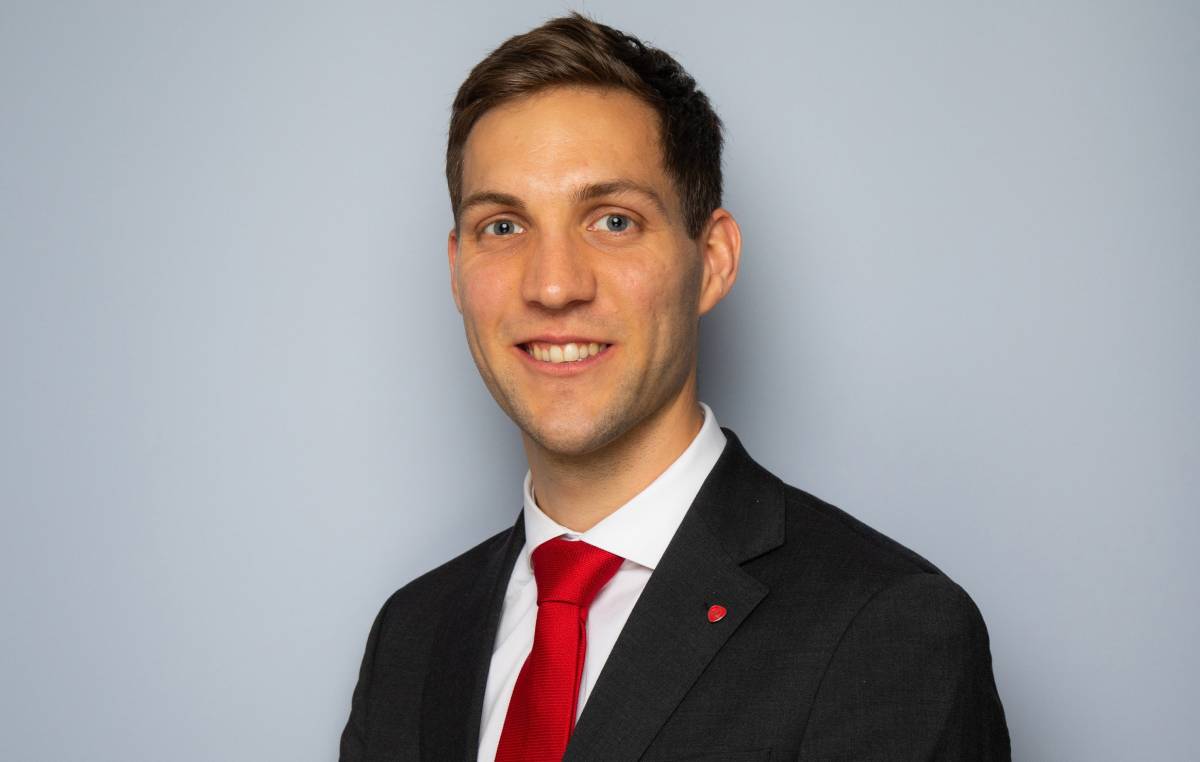
NITO has several suggestions for how Andreas Bjelland Eriksen can take leadership responsibility:
- Establish a joint Oslofjord collaboration (such as Mjøsaksjonen) between municipalities that border or are connected to the fjord via watercourses. Create targeted support schemes or better loan terms for major investments and inter-municipal improvements.
- The municipalities must map the condition of the wastewater network
- Establish measures against runoff from agriculture and set stricter stormwater requirements in industrial and port areas.
- Set clearer guidelines to prevent urban development that increases pollution, dismantling of beach zones, or runoff. The framework must be the same for everyone
- Introduce a national competence programme for the municipal water and wastewater sector. Both KS and Norsk Vann have documented a shortage of engineers in both the municipalities and the water and wastewater sector.
- Reinstate the requirement for environmental adviser positions in the municipalities to ensure good and comprehensive planning of climate and infrastructure measures in and across municipalities.
These measures will provide municipalities and engineers with the prerequisites required to create an environmentally and nature-friendly water and wastewater system. It will work for the Oslo Fjord, and for other polluted fjords in Norway.
The knowledge, the solutions and the will are here. What is missing is that the state puts money on the table. Now Andreas Bjelland Eriksen has the opportunity to be remembered as the climate minister who saved the Oslo Fjord.