





Drone training can give Northern Norway a vital competitive advantage
Norway has great ambitions for the drone field. It is therefore a paradox that only twelve graduated from the drone training in Tromsø last year and five the year before.
Debate: By Kjetil Lein, NITO. The post was published 25.02.2026 in Nordnorsk debatt.
In the White Paper on Total Preparedness , the Government states that Norway will be a "pioneer country for responsible and innovative use of drones and new air mobility". In the long-term plan for the Armed Forces, drones are highlighted as a key capacity for surveillance, situational awareness and emergency preparedness. And in the new drone strategy, the government emphasizes that both civilian and military sectors must contribute to strengthening total defense. This year, which is the year of total defence, it is time for goals to become action and reality. If we lack drone expertise, it weakens our ability to monitor and prepare for drones.
The problem is that the need does not match the competence initiative. Norway has a drone bachelor's degree at UiT in Tromsø, and last year the program graduated only nine graduate years. In 2024, the number was five. The ambitions for rapid drone conversion in the Armed Forces are high, but the competence base is frighteningly low. It's like planning an air force without pilots.
Engineers and technologists are the first line to deal with both physical and digital influences from hostile actors. They therefore possess unique expertise in national weaknesses, and thus also the national need for expertise in order to achieve a long-term plan for the Armed Forces.
President of NITO, Kjetil Lein
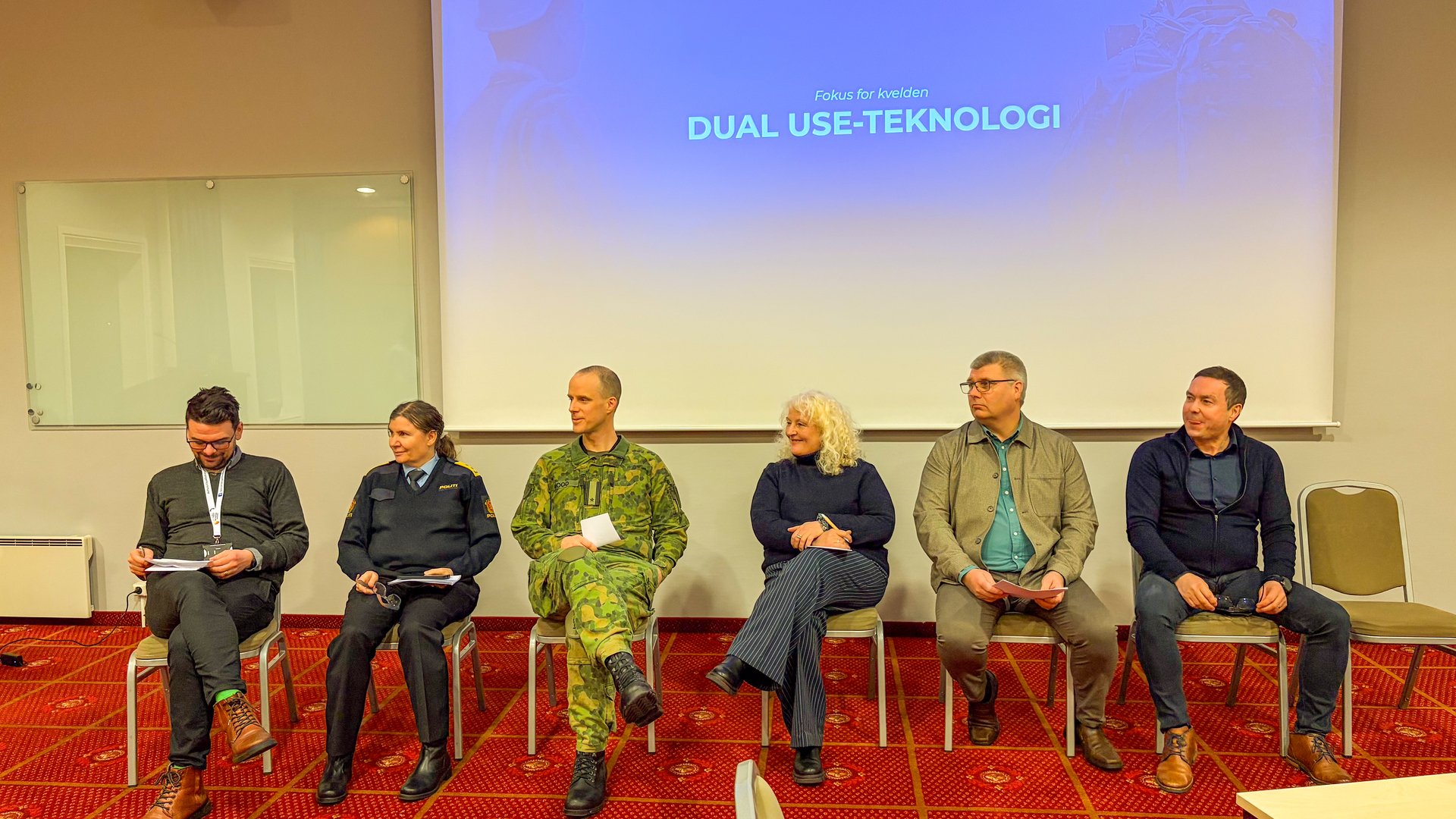
From the Drones in the Dark conference in Kirkenes last week. Photo: NITO
White Paper 33 specifies that there is a critical skills gap in the Air Force with a shortage of both engineers and technologists to realise the long-term plan for the Armed Forces. In addition, the Armed Forces themselves point out that they are already facing a problem in retaining technological expertise in the face of alternative private employers. With new and greater ambitions for the drone sector and the Air Force, this skills gap is increasing. We do not see concrete plans to ensure the capacity and expertise needed to achieve the goal of being able to quickly adapt society and the Armed Forces in the face of a drone threat.
Engineers and technologists are the first line to deal with both physical and digital influences from hostile actors. They therefore possess unique expertise in national weaknesses, and thus also the national need for expertise in order to achieve a long-term plan for the Armed Forces.
At NITO, Norway's largest trade union for technologists and engineers, we therefore have our own professional network for drones. We clearly see that Norway has a competent professional environment in drone technology, but we need to educate more people and secure the expertise for the future. The Armed Forces cannot do this on their own, and we must therefore strengthen the synergies between civilian and military competence development. At NITO, we are ready to contribute to the recruitment of new drone engineers for jobs in uniform, both on land, in water and in the air.
It is therefore also important to address the challenges faced by civilian graduates in working in the Armed Forces without having completed their initial service. The best thing would have been to establish a scheme where civilian graduates would have been given the opportunity to contribute to the Armed Forces with their technological knowledge. The Government aims for civil-military cooperation at all levels of the Armed Forces' initiatives, and it is therefore essential to create these synergies, including for civilian-trained drone engineers.
Northern Norway already has a solid environment of expertise that we can build on. It is no coincidence that the government points to Andøya as the hub for large drones in the Armed Forces. Here, long-range systems for maritime surveillance will be established and operated in cooperation with close allies. Troms and Finnmark are not only geographically important areas – the region is strategically crucial for Norwegian and allied security. But without engineers and drone experts who can actually operate, develop and regulate these systems, the investment will be just words on paper.
Here, a scholarship scheme similar to the one offered by the Navy can be an effective tool for getting more people to study drone technology, and at the same time ensure the Armed Forces long-term competence enhancement through compulsory years - an agreement on how many years to serve in the Armed Forces - as a requirement for receiving a scholarship. A targeted scheme for the drone bachelor at UiT will be able to ensure recruitment and cross-sectoral cooperation, and give the Armed Forces access to the expertise they themselves say they need.
We expect political priorities to correspond with priorities in the education sector. Only then can the desire for increased defence capability become a reality.