




Engineering ensures clean water in Syria
Just a year ago, the water in Azaz, Syria, was cloudy, smelled bad and full of ammonia. Two years later, 40,000 Syrians now have access to clean water.
Help from Engineers Without Borders (EWB-DK) helped Syrians in the Azaz region to drink clean drinking water from the tap.
Projects like this are the reason why NITO has renewed its collaboration with Engineers Without Borders,
Marin Prebeg is a mechanical engineer and works as a principal developer at DNV (Det Norske Veritas). He has been a volunteer with Engineers Without Borders since 2021, and can tell that it was rewarding to be able to contribute to an aid project on a large scale.
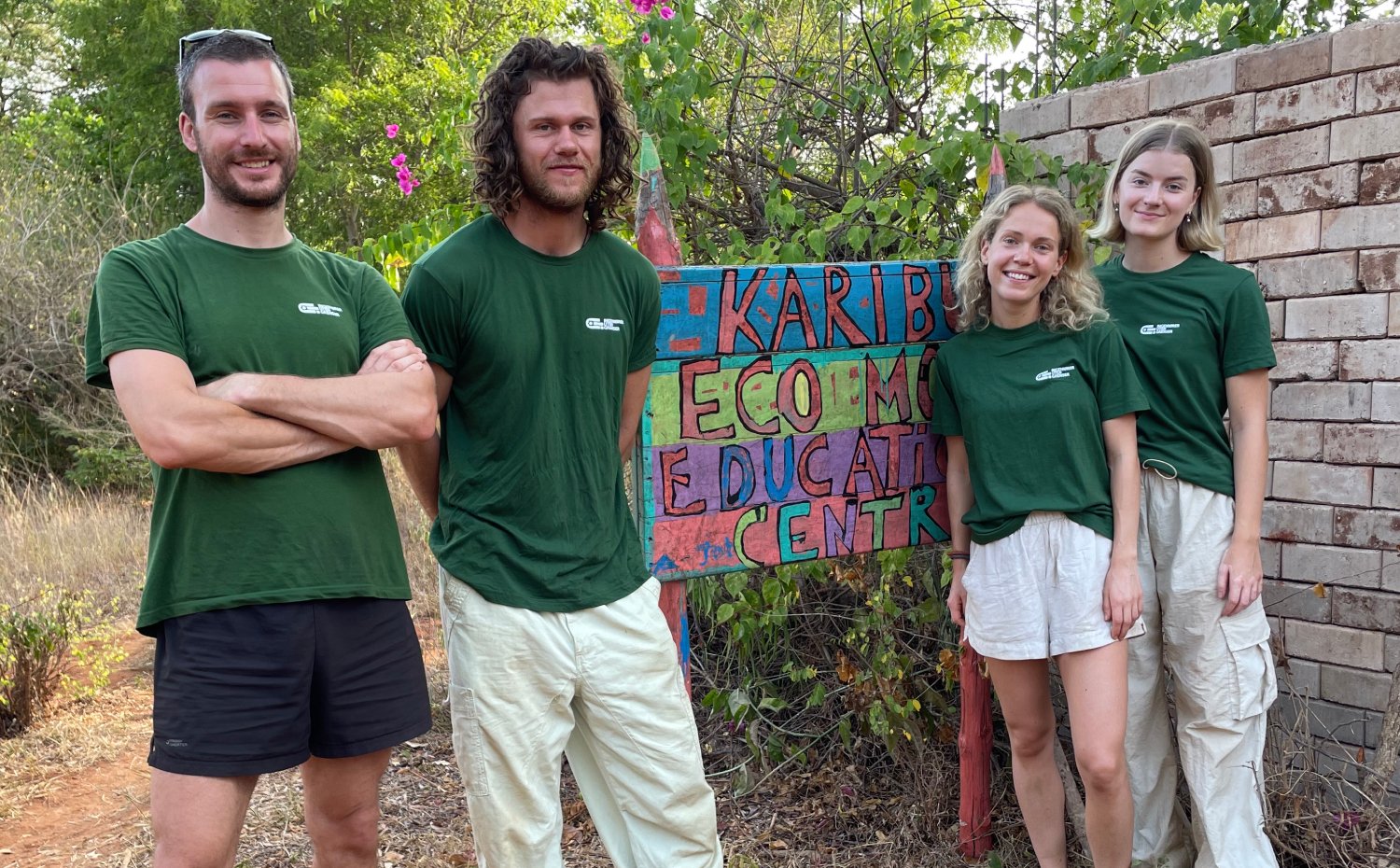
"When the end result is that 40,000 people can get safe drinking water, you have really made a difference. Scale and ambition also meant that I also get to make greater use of my own expertise.
The task of ensuring safe drinking water in Azaz began in January 2024. The project was a collaboration between Field Ready Mena and Engineers Without Borders, supported by Innovation Norway's Humanitarian Innovation Program.
14 years of civil war have taken their toll on infrastructure in a country where, according to the UN, 70% of the population is still in need of humanitarian aid. In order to put the Sharran Station water treatment plant into operation, there were several things that had to be taken into account.
"With sanctions and thus uncertainty about deliveries from other countries, it was crucial that the solutions had to be locally produced.
On-premises operations and scalability
Prebeg's contribution consisted of, among other things, assisting with the specifications for the tender, and assessing the applications received. The company that won the tender, and which today has completed the job successfully, is Engineering Gate.
"In many ways, they had the most professional application. They pointed to good solutions and a detailed and realistic schedule.
The applications were assessed on the basis of capacity, technical approach, innovation and adaptability, scalability and environmental footprint, and financial approach.
The challenges with the water in Azaz were high magnesium levels, colored water, bad odors, and high levels of ammonia.
Sand and carbon filter
The solution for the water treatment plant was locally produced filter tanks.
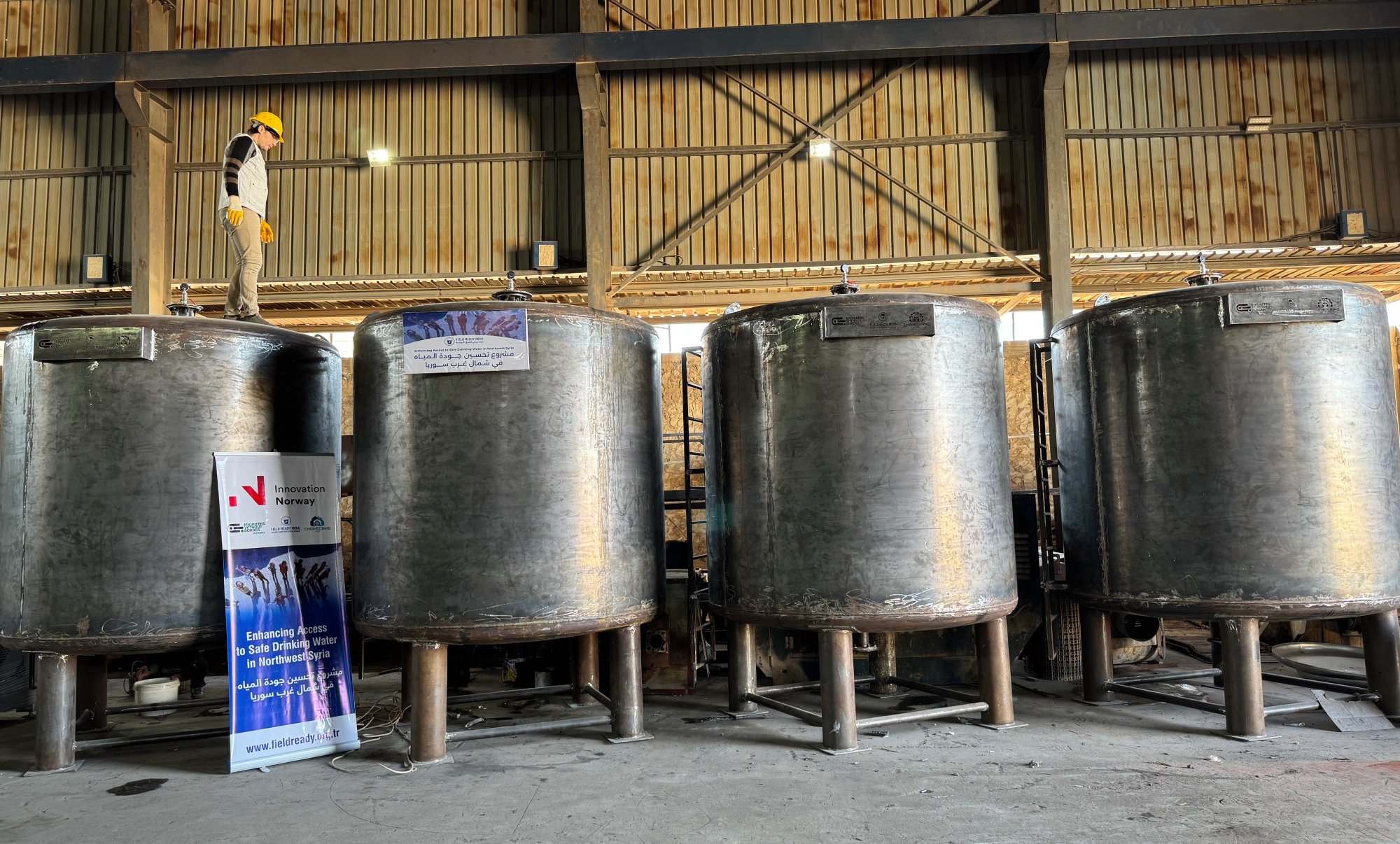
Two 15,000-litre sand filter tanks remove turbidities and impurities, and two 15,000-litre carbon filter tanks remove chlorine, pesticides and volatile organic compounds (VOCs).
"Local solar power can currently operate the plant ten hours a day, and a long-term collaboration has been established between the public and private sectors for the operation of the water treatment plant," says Prebeg.
Pre-assembled
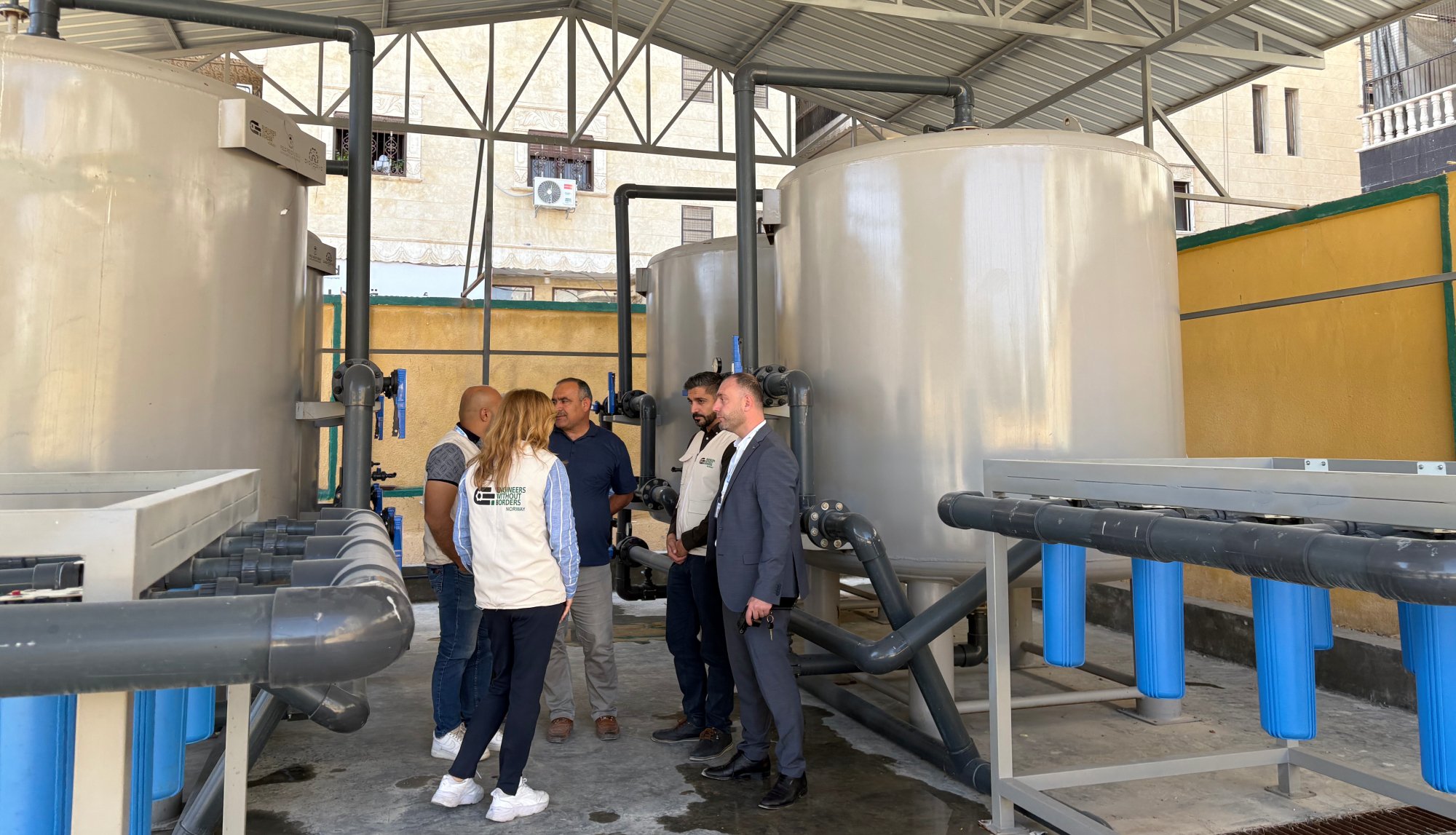
The water purification system that is currently installed can be scaled up to deliver clean and safe water to half a million inhabitants in the region.
"We say no to projects that are not sustainable"
Secretary General of Engineers Without Borders, Marianne Nilsen Sturmair, says that the feedback has been positive.
"It warms my heart when the director of the Water Directorate in Azaz says that 'We say no to projects that are not sustainable – 4, 5, 6 months, but then what? We must rebuild the country. We need to rebuild the water supply. That's why we like this project; This is infrastructure that will last for many, many years".
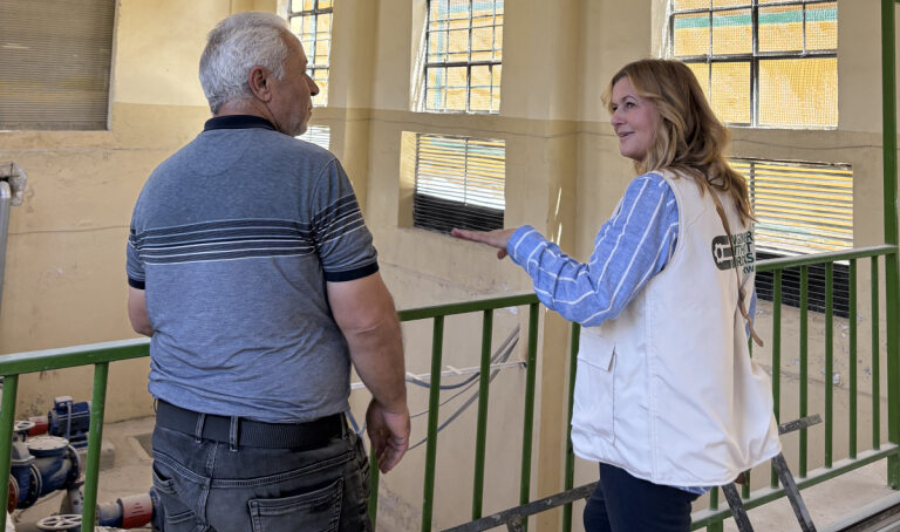
She believes this is an example of good cooperation and that what contributes the most is often what is a little less visible.
"Good design, simple operation, solid routines, local training and robust systems. Often, this is precisely what is lacking in crisis areas: not will, but capacity. Not good intentions, but working infrastructure. Here, I find that EWB-DK has a useful "bridge-building role" between voluntary engineering and humanitarian needs, between innovation and practical operations, and between Norway and partners who are in difficult situations over time.
Secretary General of Engineers Without Borders, Marianne Nilsen Sturmair, says that the feedback has been positive.
"It warms my heart when the director of the Water Directorate in Azaz says that 'We say no to projects that are not sustainable – 4, 5, 6 months, but then what? We must rebuild the country. We need to rebuild the water supply. That's why we like this project; This is infrastructure that will last for many, many years.'
She believes this is an example of good cooperation and that what contributes the most is often what is a little less visible.
"Good design, simple operation, solid routines, local training and robust systems. Often, this is precisely what is lacking in crisis areas: not will, but capacity. Not good intentions, but working infrastructure. Here, I find that EWB-DK has a useful "bridge-building role" between voluntary engineering and humanitarian needs, between innovation and practical operations, and between Norway and partners who are in difficult situations over time
Working to scale
Since 2020, EWB-DK has worked closely with the non-profit organization Field Ready Mena in Syria, and together applied to Innovation Norway for support for the water purification project.
"Our role in EWB-DK is to contribute with engineering expertise and technology where it can provide lasting results – and to do so in close collaboration with local partners. I think we have achieved this in this project, which is an example of solutions that build lasting capacity, strengthen local communities and give people increased security in their everyday lives. Far too many people do not have basic needs such as access to safe drinking water, stable electricity, food systems that work and waste systems that do not create health risks. Now we are working to find funds to scale to more areas, it is both something that is badly needed and that is strongly desired.
